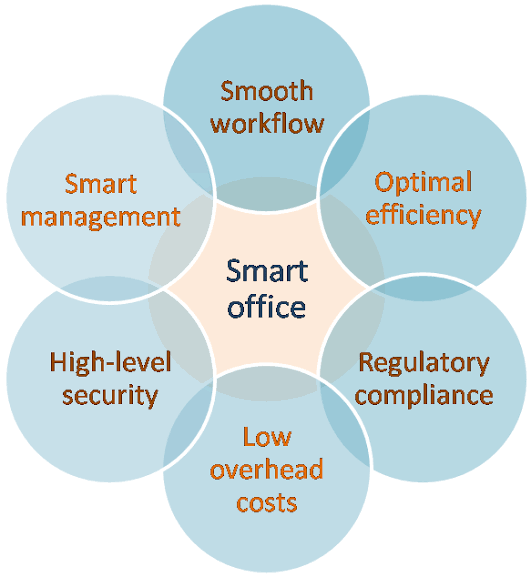
Have you ever wondered how workplaces keep up with technological advances while maintaining functionality? The shift towards more efficient and adaptable systems is no longer optional—it’s essential. Businesses must adapt to ensure their workspaces meet the needs of a dynamic workforce.
In this era of rapid change, office space management tools have become critical for optimizing efficiency and comfort. These systems provide features designed to streamline operations, enhance collaboration, and support employee well-being. Let’s explore the top features every modern workplace system should have in 2025.
1. Smart Scheduling for Dynamic Teams
A core feature of any effective system is the ability to manage schedules with precision. With hybrid work models becoming the norm, scheduling tools must accommodate varying needs. Modern platforms offer automated solutions for room reservations, desk assignments, and team meetings. Real-time updates ensure everyone stays on the same page, minimizing conflicts. These systems simplify coordination, saving valuable time and boosting productivity.
2. Real-Time Analytics for Better Decisions
The ability to track and analyze workplace data is invaluable forimproving efficiency. Real-time analytics help administrators understand how spaces are used, allowing adjustments to maximize functionality. Features like heat mapping and occupancy tracking offer actionable insights into usage patterns. This data-driven approach ensures that resources are allocated effectively and unnecessary costs are minimized.
3. Seamless Integration with Existing Tools
An effective management system should integrate effortlessly with the tools a business already uses. Compatibility ensures that transitions are smooth and processes remain uninterrupted. Whether it’s syncing with calendars or communication platforms, seamless integration improves overall functionality. This interconnected approach enhances efficiency and reduces the learning curve for employees.
4. Enhanced Security Features for Peace of Mind
Security is a non-negotiable aspect of workplace systems. Advanced solutions provide multi-layered protections, safeguarding sensitive data and controlling physical access to spaces. Some systems use biometric authentication and digital passes for secure entry, while others employ encryption to protect data. Such robust features ensure that businesses can operate confidently without compromising security.
5. User-Friendly Interfaces for Accessibility
Complex systems often discourage user adoption. A good workplace platform should prioritize ease of use, with intuitive designs that make navigation straightforward. User-friendly dashboards and customizable settings empower employees to take full advantage of the system’s features. By making tools accessible, businesses encourage widespread utilization, enhancing overall effectiveness.
6. Flexible Options for Personalized Spaces
Personalization plays a significant role in creating comfortable and productive work environments. Modern systems allow employees to customize aspects like desk preferences, lighting, and temperature settings. By offering flexible options, businesses ensure that individual needs are met, fostering satisfaction and engagement. This adaptability transforms traditional setups into employee-centered spaces.
7. Scalability to Support Future Growth
Workplaces grow and evolve, and management systems must keep pace. Scalability ensures that the platform can accommodate new employees, additional locations, or expanded operations without losing efficiency. Whether it’s adding new features or integrating with emerging technologies, scalable systems provide long-term value. This capability allows businesses to prepare for the future while meeting present needs seamlessly.
8. Remote Accessibility for a Global Workforce
In a world where remote and hybrid work is increasingly prevalent, having a system that supports off-site access is essential. Modern management platforms should allow employees and administrators to monitor and adjust resources from anywhere. Features like mobile app integration and cloud-based dashboards provide real-time updates and control. This ensures that all team members, regardless of location, remain connected and productive.
Office space management systems in 2025 must balance innovation, efficiency, and security to support evolving workplace demands. By incorporating smart features like real-time analytics, sustainability tools, and seamless integrations, businesses can create environments that drive productivity and collaboration. An adaptable and forward-thinking system is key to thriving in the modern workplace.
