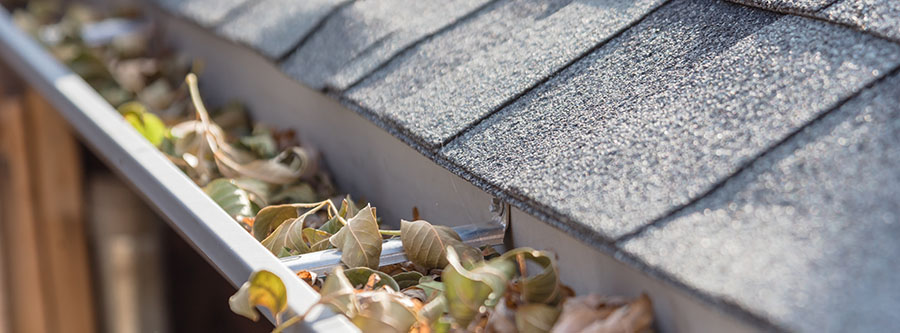
Gutters protect the home by guiding water away from the roof, siding, and foundation. When they fail, water may cause issues that compromise both structure and appearance. Recognizing the signals of gutter failure can help a homeowner take preventive steps.
Many homeowners consider replacing damaged gutters when signs become too obvious to ignore. Acting at the right time ensures that the home remains safe during heavy rainfall. The following signs provide helpful direction on what to look for before full replacement becomes necessary.
Contents
1. Cracks and Splits
Cracks in gutters may appear minor, but even small openings allow water to escape. Once water seeps through, it can lead to stains, weakened walls, and soil erosion near the base of the house. Over seasons, these cracks may spread further and affect more sections of the gutter.
Splits across multiple areas usually suggest that repair is not the right choice. If several pieces display damage, replacing the gutter system prevents repeated costs. Addressing the issue early also reduces the chances of additional damage to other parts of the property.
2. Peeling Paint and Rust
Paint serves as a protective coat on gutter surfaces. When paint peels, it can signal trapped water or continuous moisture against the metal. Rust spots then appear, showing that the material has begun to deteriorate.
Rust patches expand if not managed quickly, which can weaken the entire structure. Once rust spreads, water may drip through and harm surfaces below. At that stage, replacement makes more sense than trying to extend the life of the current system.
3. Sagging or Separation
Gutters are made to sit close to the roofline. If they sag, it usually means the fasteners cannot support the weight of debris or water. This reduces the ability of the system to channel water effectively.
Separation from the fascia may also occur, leaving open gaps. Those gaps allow water to pour down the siding and create puddles near the foundation. Once gutters separate repeatedly, a new installation becomes a more reliable choice.
4. Signs of Water Damage
Evidence of water damage can appear inside or outside the home. Water stains on ceilings, peeling paint near windows, or damp walls suggest that water bypassed the gutter. Outdoors, channels in the soil or damaged landscaping may indicate overflow.
Key signs to check include:
- Discoloration on exterior walls
- Mold near the roof edges
- Soil erosion close to the foundation
5. Frequent Overflow
Overflow is not always the result of debris. Poor slope, hidden cracks, or incorrect design can cause water to spill each time it rains. Continuous overflow reduces the effectiveness of downspouts and harms nearby areas.
When overflow happens repeatedly even after cleaning, the problem lies deeper in the structure. Replacement ensures that water flows freely through properly aligned channels. A new system supports effective water control during storms.
Trusted Help for Gutter Replacement
Homeowners who notice signs of gutter failure can benefit from reaching out to a professional team. Local specialists provide inspections, point out problem areas, and recommend whether repair or full replacement is the right path. Reliable service ensures the gutter system is installed correctly and prepared to manage rainfall throughout the year.
Replacing damaged gutters is a step that protects the property from gradual water intrusion. Recognizing cracks, rust, sagging, water stains, or overflow gives a homeowner practical reasons to take action. New gutters restore proper flow and reduce the strain on the house during every storm.
