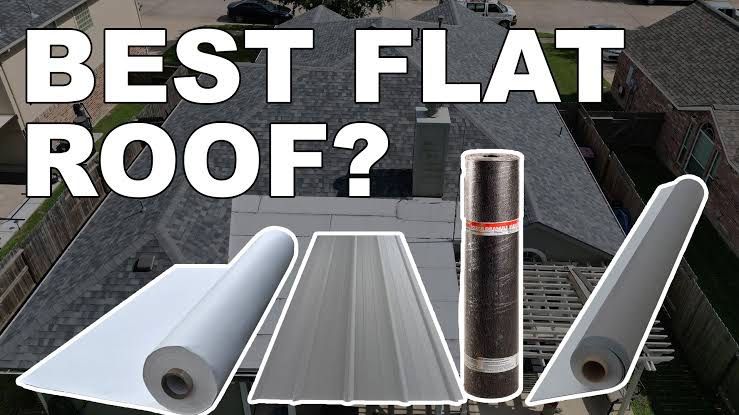
Roof selection for a commercial building requires consideration of several factors, most notably the local climate. Houston’s weather is known for its humidity, intense heat, and occasional heavy rainfall. These elements demand a roofing system that can withstand the challenges posed by such conditions. This article outlines factors to consider when choosing the right commercial flat roof for long-term durability and performance in Houston’s climate.
The first consideration for commercial flat roofs in Houston TX, is their ability to endure extreme weather conditions. Houston experiences frequent storms, high winds, and heavy rainfall. It’s essential to choose a roofing material that can withstand these elements without degrading quickly.
Materials such as TPO (Thermoplastic Olefin) and EPDM (Ethylene Propylene Diene Monomer) are popular in the region. They are known for their resistance to water, UV rays, and thermal cycling. These materials are built to remain intact, even during periods of high heat or heavy rain.
Energy Efficiency for Hot Summers
Energy efficiency is a major concern with the city’s hot summers. A roof that reflects sunlight and reduces heat absorption helps keep the building cooler and lower energy bills. Reflective coatings or white roofing systems can provide the necessary heat deflection.
For energy-efficient commercial flat roofs, TPO and PVC (Polyvinyl Chloride) are excellent options. These materials have reflective properties that help manage indoor temperatures. They can also minimize cooling costs throughout the year.
Proper maintenance is crucial for roof longevity, especially in areas with frequent weather changes, such as Houston. Flat roofs require regular inspections to prevent debris or water buildup. A single-ply membrane with fewer seams can reduce the risk of leaks and other common issues.
Building owners can reduce maintenance expenses by choosing materials that are less likely to wear out or crack. This also helps extend the lifespan of their roof. As a result, the roof remains functional and reliable for years, reducing the need for costly repairs.
Houston’s heavy rainfall means that a flat roof needs to be equipped with an effective drainage system. Water can collect on the roof due to improper drainage, which could result in leaks and structural damage. Roofs with a slight slope or integrated drainage systems are vital for avoiding water accumulation.
Materials like EPDM or TPO, when installed properly, provide a seamless surface that allows rainwater to flow off efficiently. This helps prevent water pooling and potential leaks. These materials prolong the roof’s life and shield the building from water damage by ensuring correct installation.
Professional Installation and Expertise
Finally, selecting the right roofing material is only part of the equation. The installation process is just as important and plays a significant role in the roof’s performance. It’s necessary to hire a roofing contractor with experience in commercial flat roofs in Houston TX. This contractor should have a deep understanding of the unique challenges posed by the area’s climate.
Proper installation ensures that the roofing system can handle extreme weather patterns effectively. It also ensures that the roof remains energy-efficient and durable over time. The roofing system will function at its best and endure longer with professional installation.
Well-chosen and properly installed commercial flat roofs in Houston TX can significantly enhance the longevity and performance of your building. Prioritizing durable materials and expert installation tailored to Houston’s climate ensures long-term protection against the region’s harsh weather conditions. This proactive approach not only safeguards your building but also offers substantial savings over time.
