When it comes to managing your finances, one of the most important numbers to keep track of is your credit score. This number can affect your ability to get approved for loans, credit cards, and even influence the interest rates you’ll pay on them. But have you ever wondered why your credit score can vary depending on where you check it? One day, you might see a score from one provider, and the next, a slightly different score from another. If you’ve ever been confused by this, you’re not alone. The truth is, there are several reasons why credit scores differ, and understanding these reasons can help you keep better track of your financial health.
In this article, we’ll take a deeper dive into why your credit score may vary, including factors like which credit report is being used, which scoring model is in place, and when your score is updated. We’ll also explore how this knowledge can help you in situations like applying for a free personal loan or managing other financial decisions.
The Role of Different Credit Scoring Models
One of the primary reasons your credit score may vary is because there are different credit scoring models used to calculate the score. The two most commonly known models are FICO and VantageScore, but even within these systems, there are variations based on which version is being used.
FICO Score
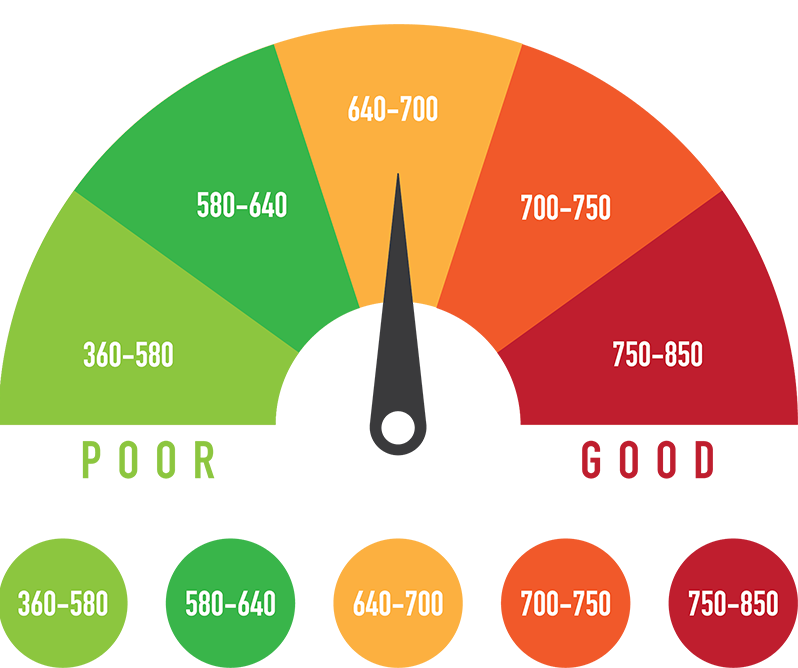
The FICO score is the most widely used credit scoring model. Developed by the Fair Isaac Corporation, it’s used by most lenders to assess your creditworthiness. Your FICO score ranges from 300 to 850, with higher scores indicating better credit. FICO scores are calculated using five factors: payment history, credit utilization, length of credit history, types of credit used, and recent credit inquiries.
VantageScore
VantageScore is another popular model that’s used by a number of credit bureaus and lenders. While similar to FICO, VantageScore uses a slightly different formula and gives more weight to certain factors. For example, VantageScore places more importance on recent credit behavior, like how often you open new accounts.
Different models may weigh these factors in different ways, so depending on whether a lender uses a FICO score or a VantageScore, you might see a slightly different result. Even within FICO or VantageScore, there are different versions being used over time, which can further lead to score variations.
Which Credit Report Is Being Used?
Your credit score is directly tied to your credit report, and there are three major credit bureaus—Equifax, Experian, and TransUnion—that compile and maintain credit reports. Each of these bureaus collects slightly different information about you, which can lead to different credit scores.
For example, one bureau may have more up-to-date information about your credit card balances or any recent credit inquiries, while another may not have received updated data. This can result in variations in your credit score from one bureau to another.
When you check your score, it’s important to know which credit report the score is being pulled from. Some financial institutions, like banks or lenders, may pull a score from just one of the bureaus, while others may pull scores from all three. As a result, the score you see from one source might be different from the one provided by another.
The Timing of Credit Score Updates
Another key factor in the variation of credit scores is the timing of when your score is updated. Your credit score is based on information that is continually updated by the credit bureaus. However, there can be a lag between when changes occur in your financial situation and when those changes are reflected in your credit score.
For example, if you pay off a large credit card balance, it might take several days or even weeks before that update is reflected in your credit report and subsequently your credit score. This delay can cause fluctuations in your score over time. Additionally, if a new account is opened or a late payment is reported, the impact of these changes on your credit score may not be immediate.
Some services that offer credit score monitoring might show updated scores more frequently, but the timing can still vary depending on when the credit bureaus update their records. For instance, if you check your score today and it looks a certain way, but then check it a few days later, you might see a different number simply because the data has been updated in the system.
How the Lender’s Criteria Can Affect Your Score
When applying for a free personal loan, credit card, or mortgage, the lender may pull your credit score from one or more of the credit bureaus. However, lenders may have specific criteria for how they calculate your creditworthiness. They may place more importance on certain parts of your credit history, such as recent credit inquiries or your credit utilization rate, which can lead to a slightly different assessment of your score.
Additionally, lenders might use their own internal formulas or scoring models to assess your creditworthiness, which can differ from the standard FICO or VantageScore models. This can create discrepancies in the score you see when you check it yourself and the score the lender sees when they pull your credit report.
What Can You Do to Keep Track of Your Credit Score?
So, with all these different factors at play, how can you keep track of your credit score? Here are some tips:
1. Use Multiple Credit Monitoring Tools
To get a clearer picture of your credit score, use multiple credit monitoring tools to track your score from different bureaus. Many services provide free access to your credit score from one or more bureaus, and this can help you keep track of how your score is changing over time.
2. Understand the Factors That Affect Your Score
While scores may vary depending on the model or bureau used, understanding the key factors that impact your score—such as payment history, credit utilization, and the number of recent inquiries—can help you make informed decisions about your credit management. By keeping these factors in mind, you can work towards maintaining a healthy credit score regardless of slight variations in different reports.
3. Regularly Check Your Credit Report
It’s a good idea to request your free annual credit reports from all three major bureaus. Checking your report regularly can help you spot any inaccuracies or fraudulent activity that might be affecting your score. If you notice any discrepancies, such as a debt you’ve already paid off showing up as overdue, you can dispute it with the bureau to get it corrected.
4. Work on Building Your Credit
Regardless of the score you see, working on building good credit habits—like paying bills on time, reducing debt, and limiting new credit inquiries—will help improve your overall score over time. Even if the number fluctuates slightly between different providers, consistently good financial habits will ultimately have a positive impact.
Final Thoughts: Embrace the Variations, and Stay Focused on Your Financial Health
The variation in credit scores might seem frustrating at first, but it’s important to remember that these differences don’t necessarily mean there’s a problem with your credit. Instead, they reflect the complexity of the system and how different factors, like which scoring model is used or when the score is updated, can affect the final number you see.
Rather than stressing over slight fluctuations in your score, focus on managing your credit responsibly. By understanding why your credit score may vary and taking steps to improve your overall credit health, you’ll be well on your way to securing the financial future you want—whether you’re looking for a free personal loan or working to improve your credit score for other financial goals. Keep track, stay informed, and make choices that support your long-term financial well-being.