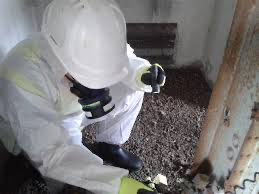
Asbestos is a hazardous substance that can cause severe respiratory illnesses, including lung cancer, mesothelioma, and asbestosis. Any building built before the year 2000 may contain asbestos, which makes it important to ensure the safety of anyone who works or stays inside those facilities. Therefore, before carrying out any renovation or demolition work, it is essential to carry out an asbestos survey to identify the presence of this hazardous substance. In this blog post, we will discuss everything you need to know about asbestos survey.
What is an Asbestos Survey?
An asbestos survey is a detailed inspection of a building or an area to identify the presence, location, and condition of asbestos-containing materials (ACMs). It can help you determine the type of asbestos present and the risk it poses to the environment and the people in the vicinity. The survey typically involves an experienced asbestos professional visiting the site, taking samples, and analysing them in a laboratory.
Why Do You Need an Asbestos Survey?
If you are responsible for a building or an area that was built before 2000 and you are planning to do any refurbishment, demolition, or maintenance work, then you must carry out an asbestos survey. It is a legal requirement to identify the presence of asbestos on your premises and take necessary steps to manage it safely. Failing to comply with these regulations can result in severe consequences, including fines, imprisonment, or even demolition of your building.
Types of Asbestos Surveys
There are two types of asbestos surveys that you can choose from depending on the nature of the work you plan to carry out. The first one is a Management Survey, which is a standard survey that is performed to identify the presence of asbestos-containing materials that could be disturbed during routine maintenance or construction work. The second type is a Refurbishment/Demolition Survey, which is a more intrusive survey that is required before any significant refurbishment or demolition work takes place.
What Happens During an Asbestos Survey?
During an asbestos survey, the surveyor will carry out a visual inspection of the building or area and take samples of the suspected ACMs, which will be analysed in a laboratory. The surveyor will also take note of the condition of the ACMs and classify them as either damaged or undamaged. Once the survey is complete, the surveyor will provide you with a report that identifies the location, type, and condition of the ACMs and recommend suitable actions to manage them.
How to Choose an Asbestos Surveyor
Choosing the right asbestos surveyor is crucial to ensure that the survey is carried out correctly and the report is accurate. You should look for a surveyor who has sufficient experience, qualifications, and insurance to carry out asbestos surveys. You can also check their credentials with professional bodies such as the Asbestos Removal Contractors Association (ARCA) or the Asbestos Control and Abatement Division (ACAD).
Asbestos has been widely used in building materials, insulation, and various industrial applications for several decades due to its heat-resistant and fire-retardant properties. However, it has also been linked to respiratory diseases, including lung cancer, mesothelioma, and asbestosis. Asbestos-containing materials (ACMs) can be hazardous if disturbed, releasing toxic fibers into the air. That’s why an asbestos survey is a crucial step in identifying, managing, and removing ACMs safely. In this blog post, we will delve into asbestos surveys, their importance, and why you should schedule one.
An asbestos survey is an examination that aims to identify ACMs within a property or building. The survey involves a thorough inspection of all accessible areas and materials, including walls, floors, ceilings, and insulation. The survey is usually conducted by a qualified and licensed asbestos surveyor who takes samples of suspected materials and sends them to an accredited laboratory for testing. The analysis determines if the materials are ACMs and, if so, their type, condition, and location.
Why is an Asbestos Survey Important?
An asbestos survey is a crucial step in managing the risks associated with ACMs. If the survey identifies ACMs, the property owner or manager can develop an asbestos management plan that outlines the measures to take to control the risks and prevent exposure. Such measures include labeling, encapsulation, enclosure, or removal of the ACMs. The plan also indicates the frequency of monitoring and re-inspection to ensure adherence to the set guidelines and regulations.
When Do You Need an Asbestos Survey?
You should consider an asbestos survey if you plan to demolish or renovate a property built before the 1990s, when the use of asbestos was widespread. The survey is also necessary if you suspect that your property has ACMs, or if you experience damage or deterioration to your building’s materials. An asbestos survey may also be a legal requirement, depending on your local regulations and health and safety laws.
What are the Types of Asbestos Surveys?
There are two types of asbestos surveys: the asbestos management survey and the refurbishment or demolition survey. The management survey aims to locate ACMs within a property that could be disturbed during normal occupancy or maintenance. The survey involves sampling, analysis, and recording of the ACMs’ location, extent, and condition. The refurbishment or demolition survey is more intrusive and aims to identify all ACMs within a building that could be disturbed during renovation, demolition, or other major works. The survey requires more extensive sampling and testing methods.
Conclusion:
Asbestos is a hazardous material that can cause severe respiratory diseases, and if your building was constructed before 2000, it is essential to carry out an asbestos survey before any construction, demolition, or refurbishment work. An asbestos survey will help you identify the presence of ACMs, assess their risk, and take necessary steps to manage them safely. Therefore, in conclusion, it is crucial to hire an experienced, qualified, and insured asbestos surveyor to conduct the survey and generate an accurate report. This will help prevent any legal, financial, or health-related consequences that may arise due to the exposure to asbestos.
An asbestos survey is a crucial investment in protecting your property occupants’ health and safety and complying with the regulations and laws surrounding ACMs’ management. It identifies ACMs and enables you to develop a comprehensive management plan to control and minimize the risks of exposure. Asbestos surveyors are qualified and licensed professionals who provide reliable and comprehensive surveys to ensure your property is free from hazardous materials. Therefore, schedule your asbestos survey today and secure your peace of mind.