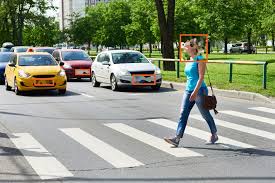
In an era where digital privacy concerns are at the forefront of societal discussions, the protection of personal information has never been more crucial. With the exponential growth of video content across various industries, ensuring that sensitive data remains confidential is paramount. This is where automated video redaction software steps in, offering a powerful solution to safeguard personal information within video footage.
Understanding Automated Video Redaction
So, what exactly is automated video redaction? Essentially, it’s a sophisticated software technology designed to automatically detect and obscure sensitive information within video content. Whether it’s faces, license plates, or confidential documents, automated video redaction utilizes advanced algorithms to blur or obscure this information, effectively protecting the privacy of individuals captured in the footage. Check out secureredact.ai if you want to learn more.
Legal and Ethical Considerations
Now, let’s dive into the legal and ethical landscape surrounding privacy protection. Various regulations, such as the General Data Protection Regulation (GDPR), the Health Insurance Portability and Accountability Act (HIPAA), or the California Consumer Privacy Act (CCPA), impose strict requirements on organizations to safeguard personal data, including video content. Automated video redaction software plays a vital role in helping organizations comply with these regulations by ensuring that sensitive information is appropriately obscured, thus mitigating the risk of privacy breaches.
Challenges and Limitations
Of course, like any technology, automated video redaction software has its challenges and limitations. One common concern is the potential for false positives or negatives, where the software may incorrectly obscure or miss sensitive information. Additionally, there may be limitations in redacting certain types of content, such as obscured faces or handwritten text. It’s essential for organizations to be aware of these limitations and implement best practices to mitigate them.
Best Practices for Implementing Automated Video Redaction
When it comes to implementing automated video redaction software, there are several best practices to keep in mind. Firstly, it’s crucial to select the right software solution that aligns with your organization’s specific needs and requirements. Additionally, proper training and education for staff members are essential to ensure the software is used effectively and in compliance with privacy regulations. By following these best practices, organizations can maximize the benefits of automated video redaction while minimizing potential challenges.
Why You Should Consider Video Redaction Software
Are you wondering whether the investment in video redaction software is really necessary? It’s often assumed that this is a novelty or something that you’ll use as a luxury. However, when businesses make the switch to video redaction software, they don’t look back. Instead, they wonder why they didn’t do it sooner. So, let’s take a look at why you should consider this approach.
To Save Time
Are you sick of spending a long time manually blurring out faces and number plates? This is something that many businesses and individuals waste a lot of time doing. While it can be a necessity for privacy, videos that are just 10 minutes can take up to eight days to edit. It can take even longer if you don’t have much experience.
If you want to save time, the best thing you can do is use video redaction software. This ensures privacy without having to do it manually. Indeed, the features mean that faces and number plates can be blurred out automatically. This is done significantly faster than if a person did it. For instance, a 10-minute video could take around 10 minutes.
To Ensure Accuracy
People can make mistakes when it comes to blurring out sensitive information. There can be oversights, meaning images and videos can be missed. This can happen if you’re doing it yourself and rushing the process. Even experts can miss elements without realizing.
Know that software is now highly accurate, which lowers the risk of making mistakes. This allows you to relax and know you’re doing everything you can to protect the privacy of people in your videos. What’s more, it can prevent legal consequences.
To Save Money
Is editing footage costing you a fortune? Many businesses are unhappy with the cost they’re paying experts per hour to edit footage. At the same time, they need sensitive information blurred so that they can use images and videos. So, what’s the alternative?
It’s time to use technology to your advantage. Automatic redaction software offers huge savings, which means you don’t have to hire more staff, and you can keep your expenses to a minimum. Companies are stating that they’re saving thousands and are satisfied with the results.
Conclusion
Automated video redaction software offers a powerful solution to safeguard personal information within video content. By automatically detecting and obscuring sensitive information, this technology helps organizations comply with privacy regulations while still leveraging the value of video footage. As privacy concerns continue to evolve, automated video redaction remains an indispensable tool for protecting personal data and upholding ethical standards in the digital age.