Handling large deliveries can quickly become expensive without the right planning and logistics strategy. Whether you are moving business inventory, transporting heavy equipment, or coordinating large personal shipments, managing these costs effectively is essential. By adopting a practical and organized approach, you can significantly reduce expenses while still maintaining reliability and efficiency.
Plan Deliveries in Advance
One of the simplest ways to reduce delivery costs is to plan shipments well ahead of time. Urgent or last-minute bookings often come with higher fees because transport providers must adjust schedules or prioritize your delivery. By arranging shipments early, you have more time to compare options and select affordable solutions.
Advanced planning also allows you to coordinate delivery dates that align with operational needs. This can prevent additional storage fees, reduce delays, and ensure that goods are transported during less busy periods. Over time, consistent forward planning can make a noticeable difference to your overall logistics budget.
Combine Shipments to Maximize Efficiency
Consolidating multiple deliveries into one shipment is another effective way to save money. When goods are grouped together, transport providers can use vehicle space more efficiently, reducing the number of trips required. This helps lower fuel consumption, labor costs, and vehicle wear and tear.
Businesses that frequently handle large deliveries may benefit from setting fixed dispatch schedules. Instead of sending smaller shipments throughout the week, combining them into larger loads can create predictable logistics patterns and reduce transportation expenses.
Improve Packaging and Load Organization
Packaging choices have a direct impact on delivery costs. Oversized packaging increases dimensional weight charges and wastes valuable space in transport vehicles. Using well-fitted boxes, protective but lightweight materials, and efficient stacking techniques ensures that every delivery load is optimized.
Proper load organization also reduces the risk of damage during transit. When goods are securely arranged, there is less need for costly replacements or returns. Reviewing packaging methods regularly can help identify opportunities for savings and improve handling efficiency.
Compare Transport Providers and Services
Different transport providers offer varying pricing structures, service levels, and delivery timelines. Taking time to compare quotes and evaluate available options can help you find solutions that match both your budget and delivery requirements.
For example, if you need to move vehicles seamlessly, researching Houston car transporters can help you find competitive pricing and flexible scheduling options. Choosing the right service not only saves money but also ensures a smoother delivery experience.
Use Route Planning and Logistics Tools
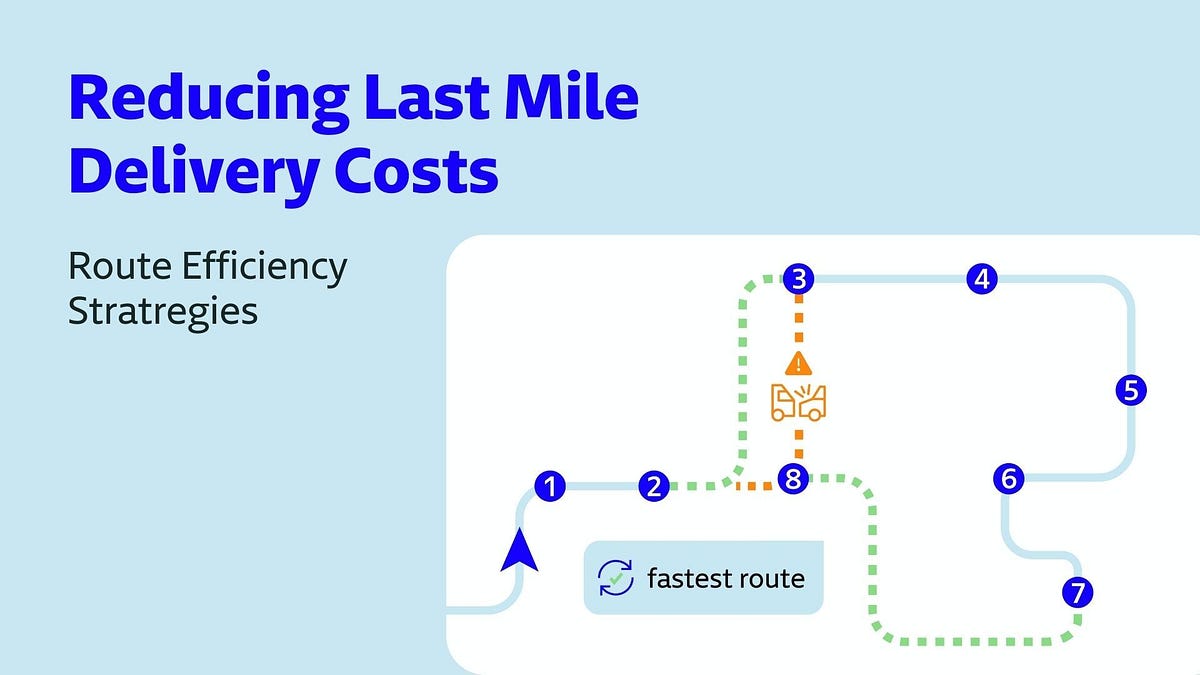
Technology plays an important role in reducing delivery costs. Route planning tools help identify the most efficient paths for transport vehicles, minimizing travel time and fuel consumption. These systems can also help drivers avoid congestion, toll routes, and unnecessary detours.
Digital tracking solutions provide visibility into delivery progress, allowing businesses to respond quickly to disruptions. This level of control helps prevent delays that could otherwise lead to additional expenses or lost productivity.
Maintain Vehicles and Equipment
If you operate your own delivery fleet, maintaining vehicles is essential for cost control. Regular servicing reduces the risk of breakdowns and improves fuel efficiency. Well-maintained vehicles are also safer and more reliable, helping prevent costly interruptions to delivery schedules.
Driver training is equally important. Encouraging fuel-efficient driving habits and proper vehicle handling can lower operating costs and extend the lifespan of transport equipment.
Review Delivery Strategies Regularly
Reducing costs when handling large deliveries requires ongoing attention. Market conditions, fuel prices, and business needs change over time, so it is important to review logistics strategies periodically. Evaluating past delivery performance can highlight inefficiencies and reveal new opportunities for improvement.
By focusing on planning, consolidation, packaging efficiency, and smart provider selection, businesses and individuals can manage large deliveries more effectively. With the right approach, it is possible to balance affordability with dependable service and achieve long-term logistics success.
