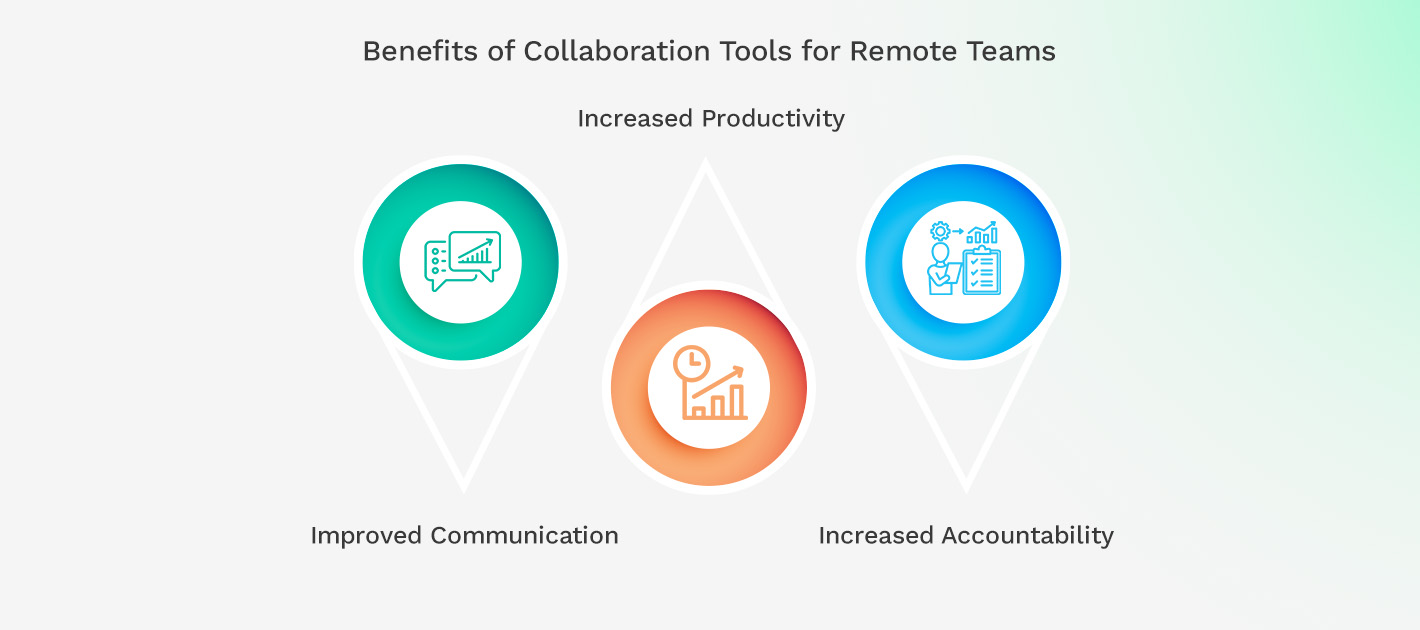
The shift to remote work has redefined how teams connect, collaborate, and thrive. As organizations embrace flexibility, effective communication, and seamless teamwork become more critical than ever. This is where advanced technology steps in, providing solutions that bridge the physical divide.
One such solution, social collaboration tools, has become a cornerstone for remote teams seeking efficiency and unity. By fostering engagement and enabling streamlined communication, these platforms transform how businesses operate in a virtual environment. When paired with time tracking software for consultants, teams can not only stay connected but also ensure accurate time management and productivity, making remote operations even more effective. Here’s a closer look at the remarkable benefits they bring to the table.
Contents
1. Encourages Real-Time Communication
One of the most pressing challenges for remote teams is maintaining clear and consistent communication. Social collaboration platforms create virtual spaces where team members can connect instantly. Whether through chat, video calls, or integrated messaging, these tools enable real-time interactions, reducing delays and confusion.
With accessible features like shared dashboards or virtual meeting rooms, teams can address concerns, brainstorm ideas, and make decisions collaboratively, regardless of location. This immediacy fosters a sense of togetherness, bridging the gap that physical distance often creates.
2. Streamlines Project Management
Managing projects across time zones can be a logistical nightmare. Social collaboration solutions simplify this process by providing centralized hubs where tasks, files, and progress updates are accessible to all team members.
By consolidating essential project elements in one place, these tools eliminate redundant communication and ensure everyone is on the same page. Features such as task assignments, deadline tracking, and shared calendars help teams stay organized and productive. As a result, businesses experience smoother workflows and fewer bottlenecks in their project management operations.
3. Enhances Knowledge Sharing
In traditional office settings, sharing expertise and insights often happens naturally during casual interactions. Remote work, however, can stifle this exchange. Digital collaboration platforms offer a solution by enabling structured and open knowledge sharing.
With features like discussion boards, resource libraries, and document collaboration, employees can share valuable insights, resources, and best practices effortlessly. This not only enhances team competency but also empowers individuals with access to a wealth of collective knowledge. Over time, such practices cultivate a culture of learning and innovation.
4. Boosts Employee Engagement
Isolation can be a significant challenge for remote workers. Social collaboration platforms help counteract this by fostering a sense of inclusion and community. Employees can engage with peers, celebrate milestones, or even participate in virtual team-building activities through these tools.
This enhanced interaction encourages employees to stay connected and motivated, which directly impacts job satisfaction and overall performance. When employees feel valued and engaged, they are more likely to contribute meaningfully to the team’s success.
5. Improves Flexibility and Scalability
Remote work environments often require tools that adapt to unique team needs and organizational growth. Collaboration software is designed with flexibility in mind, making it suitable for teams of all sizes and industries. As businesses scale, these platforms grow alongside them, offering customizable features and integrations.
Whether it’s adding more users, incorporating specific workflows, or connecting with third-party applications, these tools ensure that remote teams can evolve without disruption. This adaptability makes them an invaluable asset for dynamic and future-focused organizations.
The adoption of remote work has introduced both challenges and opportunities for modern teams. Social collaboration software has emerged as a game-changer, allowing businesses to overcome barriers of distance and foster seamless communication. By enhancing real-time interaction, improving project management, and boosting employee engagement, these tools empower remote teams to thrive. Embracing such collaboration tools equips organizations with the resources they need to achieve success in a virtual-first world.
