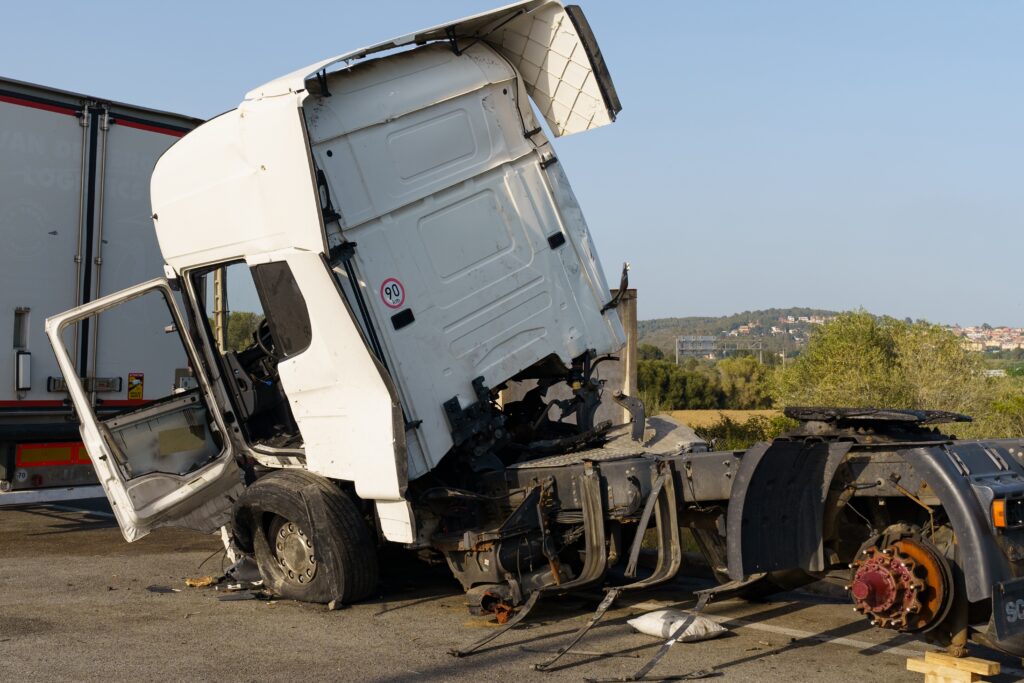
When a truck accident causes serious injury, determining who is liable can be challenging. Multiple parties may be involved, from the truck driver to the trucking company or even the manufacturer of faulty parts. For those navigating this complicated process, a free case evaluation is a vital first step in understanding who is responsible and what compensation might be available.
In Bakersfield, a city with significant trucking traffic due to its strategic location in California’s transportation network, truck accidents are a frequent concern. If you’re injured in such an accident, it’s crucial to understand that fault can extend beyond just the driver. Trucking companies must adhere to safety regulations, while manufacturers can be held accountable for defective vehicle parts. With so many moving parts in a truck accident claim, working with experienced attorneys can help clarify liability and ensure that victims receive the compensation they deserve for their injuries and losses.
Parties Involved in Truck Accidents
A truck accident may involve multiple parties, all of whom may be liable. The driver of the truck is nearly always examined first. We can assess their responsibility based on whether they acted negligently and how well they followed traffic rules.
Trucking companies may also be partially responsible. They are responsible for hiring qualified drivers, maintaining vehicles, and adhering to safety regulations. If they neglect these responsibilities, they could also be liable.
Another party to consider is vehicle manufacturers. Accidents can result from mechanical failures caused by defects in parts. As a result, the manufacturer is liable for damages caused by their products.
Role of the Driver
Assessing the driver’s behavior on the road is crucial. Driving while tired, distracted, or under the influence of alcohol can result in deadly accidents. When a driver is negligent, they are responsible for paying damages. Findings from traffic cameras, nearby witnesses, and police reports can reveal what the driver was doing.
Fatigue regulations can be based on hours-of-service rules for drivers, impacting both short- and long-haul driving. If drivers violate these rules, we have a stronger argument against them. Insurance providers and lawyers often examine logbooks to confirm compliance.
Trucking Company Responsibilities
Trucking companies are obligated to enforce rigorous safety standards. This includes conducting consistent inspections and keeping records. If a company falls short in these areas, it could be responsible for accidents.
Hiring practices are another area where companies need to do their due diligence. Unqualified or inadequately trained drivers pose risks of road accidents. They also need to validate credentials and make periodic assessments so drivers remain competent.
Manufacturer’s Liability
In some cases, the problem is not human error but mechanical failure, which means the brakes, tires, or another defective part of the vehicle caused the accident. In such cases, liability may fall on the manufacturer of the defective component.
Thorough investigations are needed to determine if a defect contributed to the accident. Often, a manufacturer’s liability is proven through expert witness testimony and technical reports or assessments.
Insurance Considerations
Truck accident claims involve several insurance policies that must be resolved. Various parties to the accident could have different insurance arrangements. However, it is vital to understand the intricacies of these policies to receive appropriate compensation.
In cases where victims have a legitimate reason to file a claim, they should also understand any relevant policy limits and exclusions. Dealing with insurance adjusters will help with proper documentation for this process.
Legal Assistance
Everyone responds differently to trauma, and finding your way through the days and weeks following a truck accident may feel overwhelming. Seeking legal counsel will help you understand your rights and determine the viability of your claim. Truck accident attorneys can also assist in determining who is responsible and what evidence is needed.
Lawyers also negotiate with insurance companies on behalf of the injured party. Professional help can ensure that the victims are compensated for medical expenses, lost wages, and pain and suffering.
Conclusion
Liability issues in a truck accident are complex because more than one person is involved. Responsibility typically depends on a combination of factors, including driver behavior, company practices, and, sometimes, mechanical failure. Understanding the roles of the parties involved in a truck accident is key to getting fair compensation. A legal expert can help victims overcome these challenges and protect their rights.