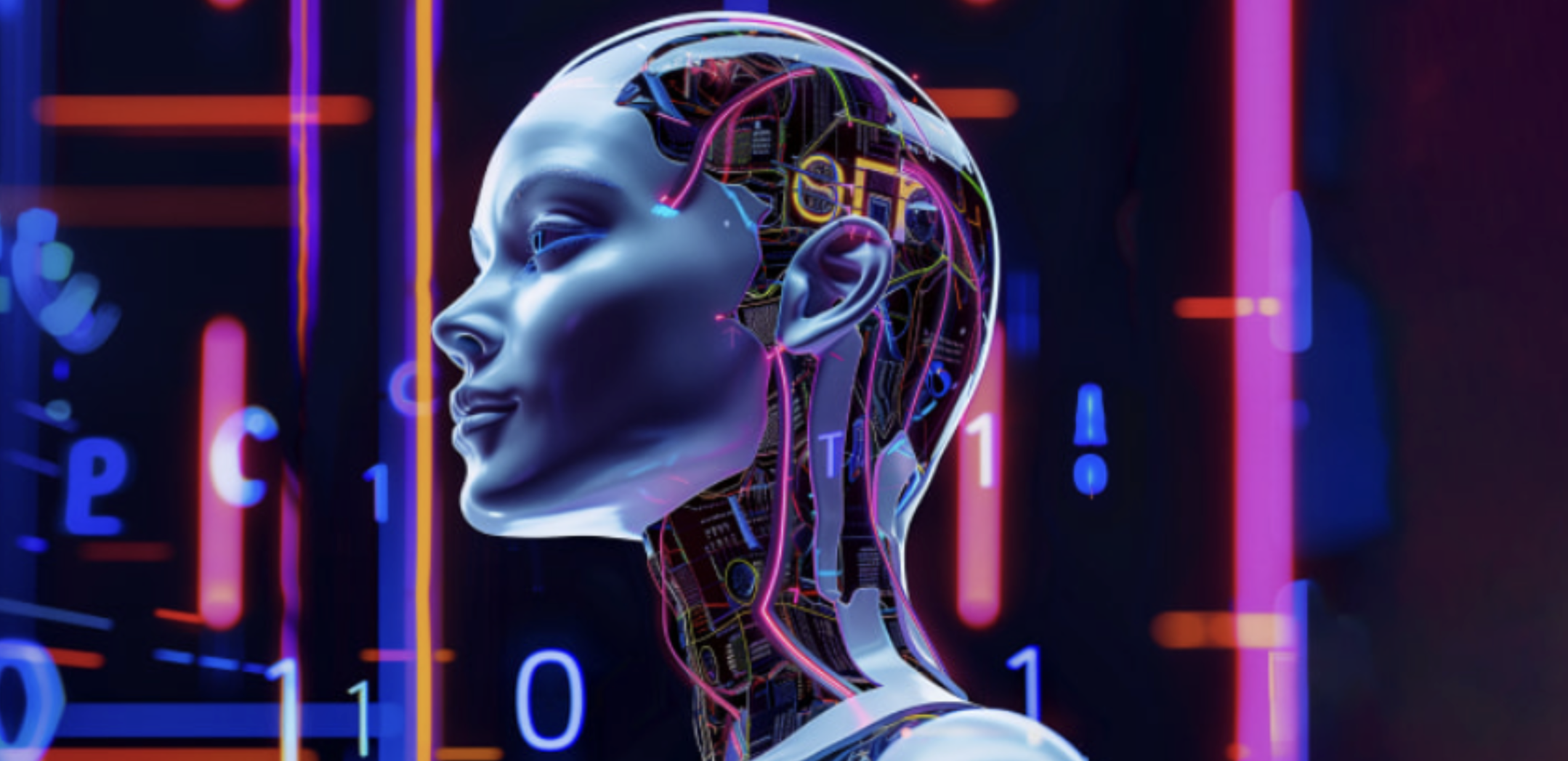
The intersection of Artificial Intelligence and human creativity is arguably the most disruptive technological shift since the advent of the internet. For millennia, creativity was considered the exclusive domain of human ingenuity—a spark of genius reserved for artists, writers, musicians, and filmmakers. Today, generative AI models can produce professional-grade images, compose film scores, draft screenplays, and design complex interfaces in seconds, challenging the traditional definition of artistic labor.
The question is no longer if AI will change the creative industries, but how deeply and what new roles will emerge. The future is not one of replacement, but of radical augmentation, shifting the creator’s role from master craftsperson to prompt engineer, editor, and visionary director.
AI as a Generative Partner and Prototyping Engine
One of the most immediate impacts of AI is its capacity to act as a relentless brainstorming partner and prototyping engine. Tools like Midjourney, DALL-E, and Stable Diffusion have democratized visual art, allowing anyone to generate complex imagery from a text prompt. For a detailed look at how these generative systems are reshaping creative workflows, the MIT Technology Review’s analysis on AI and the future of art provides valuable insight into how machine learning is expanding, not replacing, human creativity.
For professional visual artists and designers, this translates into unprecedented efficiency. Graphic designers can produce dozens of logo variants in minutes, architects can visualize different material palettes on a building facade instantly, and concept artists can generate hundreds of ideas for a fantastical creature before sketching the final version. AI accelerates the often-slow process of iteration and visualization, allowing the human creator to skip tedious foundational work and move directly to refinement and artistic direction.
In writing, LLMs assist novelists and screenwriters by generating dialogue, outlining plot structures, or providing alternative endings. While the final emotional depth and coherent narrative arc still require human input, the AI eliminates writer’s block by providing infinite starting points. This frees up the human creator’s time to focus on narrative integrity, character development, and infusing the work with unique personal style—the qualities that truly define great art.
Automating the Tedious: Streamlining Production Workflows
Perhaps the most universally welcomed impact of AI is the automation of monotonous, time-consuming technical tasks within established creative pipelines. For film, video, and photography professionals, AI acts as an invisible army of assistants.
In post-production, AI can automatically:
- Rotoscoping and Masking: Accurately tracing complex shapes and subjects in video footage, a process that once took hours of manual frame-by-frame work.
- Color Grading and Correction: Suggesting cinematic color palettes and applying them consistently across large batches of footage or thousands of photographs.
- Noise Reduction and Upscaling: Enhancing low-resolution footage or removing grain from photography with remarkable precision.
Audio engineers use AI to separate instrumental tracks from vocals (stem separation) or instantly clean up background noise in interviews and podcasts. These advancements dramatically reduce post-production costs and turnaround times, making high-quality content creation accessible to smaller studios and independent creators.
The ability to manipulate and refine video assets is becoming a core competency for modern content creators. For professionals working with pre-existing visual elements, ensuring a clean, polished final output is paramount. This can involve removing distractions, inconsistencies, or unwanted branding. For those specializing in refining visual assets, exploring technical guides, such as the resource detailing how to use Unwatermark AI, showcases the depth of AI’s capacity to seamlessly process and clean up video data for professional use. By automating these technical chores, AI allows the director or editor to spend more time on creative choices rather than technical execution.
The Democratization of Music and Sound
The music industry is undergoing a similar renaissance. AI tools can compose music in the style of specific composers or genres, generate infinite background scores for games and videos, or even produce commercial jingles tailored to specific emotional parameters.
This doesn’t mean human composers are obsolete; rather, AI serves as an endless orchestra that never tires. Musicians can rapidly audition different musical ideas, test arrangements, or create fully produced demos without needing to hire session players. It democratizes the entire process, empowering bedroom producers with the capabilities once reserved for large recording studios. The new skill is less about playing every instrument perfectly and more about directing the AI to synthesize the desired emotional and auditory experience.
The Creative Pivot: From Maker to Director
The most profound impact of AI is the change in the creator’s job description. As AI handles the execution, the value shifts to the conceptualization and direction of the output. The future creative professional will be an expert in:
- Prompt Engineering: The skill of communicating a precise, detailed creative vision to the AI using carefully crafted language.
- Curation and Editing: Selecting the best of thousands of AI-generated variants and knowing how to artistically combine, edit, and fine-tune them into a cohesive, high-quality final product.
- Human Context: Understanding the cultural, emotional, and social context necessary to imbue the work with genuine meaning—something AI, being purely statistical, currently cannot replicate.
The creator of the future will be a Creative Director of AI, defining the “what” and the “why,” while the AI handles the “how” and the “when.”
Addressing the Ethical and Economic Storm
This massive shift is not without significant ethical and economic challenges. The core debates revolve around:
- Copyright and Licensing: The vast majority of generative AI models were trained on copyrighted human-created content, raising complex questions about compensation for the artists whose work fuels the technology. Determining ownership over AI-generated work—especially when the prompt itself is highly creative—is a legal frontier.
- Economic Displacement: While AI creates new roles (Prompt Artist, AI Auditor), it undoubtedly automates out many traditional entry-level positions in concept art, retouching, and basic copywriting, requiring professionals to rapidly upskill.
Ultimately, the successful creative industries of the future will be those that establish clear, ethical frameworks for AI use, ensuring fair compensation models and prioritizing human direction. AI is a tide that lifts all boats, but only those who learn to navigate the new currents will thrive. It is not the AI-less creator who is at risk, but the creator who refuses to use AI. The most impactful art of the next decade will be a collaboration between human vision and machine capability.