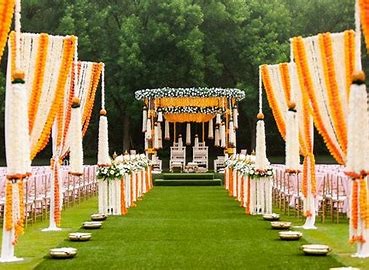
Wedding décor sets the tone before a single word is spoken. Guests “read” the space the moment they arrive. The lighting, textures, color choices, and layout quietly tell them what kind of celebration this will be. Classic and formal. Warm and homey. Modern and sleek. Great decorating choices make a venue feel intentional, comfortable, and easy to enjoy.
The best results come from making a few smart decisions early, then staying consistent as details pile up. That includes everything from floral quantities to table layouts to lighting plans, plus practical items like signage and guest flow. Even small décor items, like wholesale candles, can change the mood fast when they are used with purpose rather than scattered at random.
Start With a Clear Visual Plan
Do choose one “anchor idea” for the look and use it as a filter for every décor choice. Pick a color family, a general vibe (garden, modern, vintage, minimalist), and two or three materials or finishes that repeat across the room. That gives you a clean foundation. It also prevents the last-minute urge to buy extra décor that looks cute on its own but fights the larger picture.
Do build a simple visual map before you purchase anything. Think in zones: ceremony backdrop, aisle, cocktail space, reception tables, bar area, and entry. Each zone needs a purpose and a level of detail. The entry needs clarity and welcome. The bar needs function and a bit of style. The dance floor needs space, safe lighting, and a focal point nearby. This approach reduces waste and keeps you from decorating the wrong places.
Don’t design from social posts alone. Photos often hide scale issues, clutter, and setup effort. A chandelier moment might require ceiling rigging. A flower wall might need a frame, weights, transport, and extra hands. Instead, compare the picture to your venue dimensions and your setup window. If you cannot explain how you will build it, carry it, and place it, it is a risk.
Treat Lighting Like a Main Décor Piece
Do plan lighting early, not after the décor arrives. Lighting controls how colors show up in photos and how comfortable guests feel. Warm lighting flatters skin tones and makes dinner feel inviting. Softer edge lighting reduces harsh shadows. Pin spots can highlight the cake table or escort card display without adding more physical décor.
Do mix a few lighting layers for a richer result. Start with ambient light, then add targeted accents. Examples include overhead string lights for general warmth, candles or small lamps for table glow, and uplighting along walls for room shape. A simple mix creates depth and makes the room look more polished without relying on expensive décor.
Don’t use lighting that strains eyes or makes guests squint. Blue-heavy LEDs can look cold and unflattering. Flickering or fast color changes can feel chaotic during dinner. Keep dynamic effects for late-night dancing if you want them at all. For the rest of the event, aim for comfort and steady light.
Choose Florals and Greenery With Smart Priorities
Do put your largest floral spend where it counts most. Guests spend the most time looking at the ceremony area, the head table, and the first few reception tables closest to the action. A strong ceremony piece can also move to the reception later. That single move can stretch the budget in a way guests notice.
Do match the floral scale to the room. Tall ceilings can handle larger installations. Smaller rooms look better with compact arrangements and clean lines. If you love big flowers but worry about cost, mix blooms with greenery and varied textures. This keeps the look rich while reducing the number of premium stems.
Don’t overpack tables with décor that blocks conversation. High arrangements can work if they are built on tall stands that keep sight lines open. Low arrangements can work if they stay low enough that guests do not lean around them. The problem happens in the middle zone where flowers sit right at face height. It looks dramatic, then becomes annoying during dinner.
Design Tables That Look Great and Work Well
Do pick table elements that repeat in a calm, consistent way. A strong linen choice, one primary plate or charger style, and one metal finish for flatware or accents can carry the whole room. Add a single small “signature” item like a special napkin fold, a menu card, or a textured runner. Repetition reads as polished.
Do keep place settings and center décor balanced. Leave space for water glasses, wine, shared plates, and guests’ hands. If your center décor spreads wide, keep it low. If it rises tall, keep it narrow. The goal is a beautiful table that still feels easy to use.
Don’t let rentals and purchases compete. If your chairs have bold lines, avoid a very busy table runner. If your plates have a strong pattern, keep napkins simpler. The most common design mistake is too many “statement” pieces fighting for attention. Pick one hero element per table, then let everything else support it.
Make Guest Flow and Comfort Part of the Décor Plan
Do plan décor around how guests move. Entry points, aisle paths, bar lines, and restrooms should stay clear. A beautiful arch is not worth it if it creates a bottleneck. Use décor to guide movement: a clear welcome sign, a defined walkway, and open space near the bar. When the flow feels natural, guests relax.
Do consider sound and spacing as part of the room setup. Hard surfaces and high ceilings can make voices bounce. Soft goods like draping, linens, and rugs can help. If you plan lounge areas, place them where they do not block traffic or trap people away from the party. Comfort and connection should lead the layout.
Don’t ignore temperature and safety. Wax candles near loose fabric can create a real hazard. Overcrowded décor around stairs or uneven floors can cause trips. Use sturdy bases for tall arrangements. Keep cords taped and out of paths. These details might feel “behind the scenes,” yet they protect the experience.
Avoid Common Decorating Traps That Waste Money
Do set a “stop list” before shopping. Write down five things you will not buy unless they solve a real need. This might include extra signage, too many small vases, or trend pieces that do not match your venue. A stop list prevents late-night spending that adds clutter.
Do test your décor ideas on a small scale first. Create one sample table at home or in a studio space. Take phone photos in daylight and in low light. Check spacing, height, and color balance. This quick trial catches issues early, like napkins that photograph dull or centerpieces that look smaller than expected.
Don’t leave setup time out of the budget and plan. DIY décor can look great, yet it often demands packing, labeling, transport, and assembly. If the venue gives a short setup window, choose a décor that installs fast. If friends are helping, give them clear bins, simple instructions, and a backup plan. Stress shows up in décor when the setup is rushed.