The journey of invoice processing began in an era dominated by paper. Businesses relied heavily on physical documents to track sales, purchases, and payments. These paper invoices, while simple in form, were foundational to commerce. They served as the primary method for recording transactions, but they also came with significant drawbacks: susceptibility to loss, damage, and the inevitable accumulation of paper clutter. The cumbersome nature of these paper records often led to inefficiencies, errors, and delays in payment processing.
Transition to Electronic Invoicing
The advent of computers heralded a significant shift. Electronic invoicing began to replace paper, introducing new levels of efficiency and accuracy. Initially, these systems were rudimentary, often lacking in integration and sophistication. However, they marked an important transition, paving the way for more advanced technologies. This digital evolution was not just a change in the medium of invoices; it signified a deeper transformation in how businesses manage their financial transactions.
Integration and Automation: A New Chapter
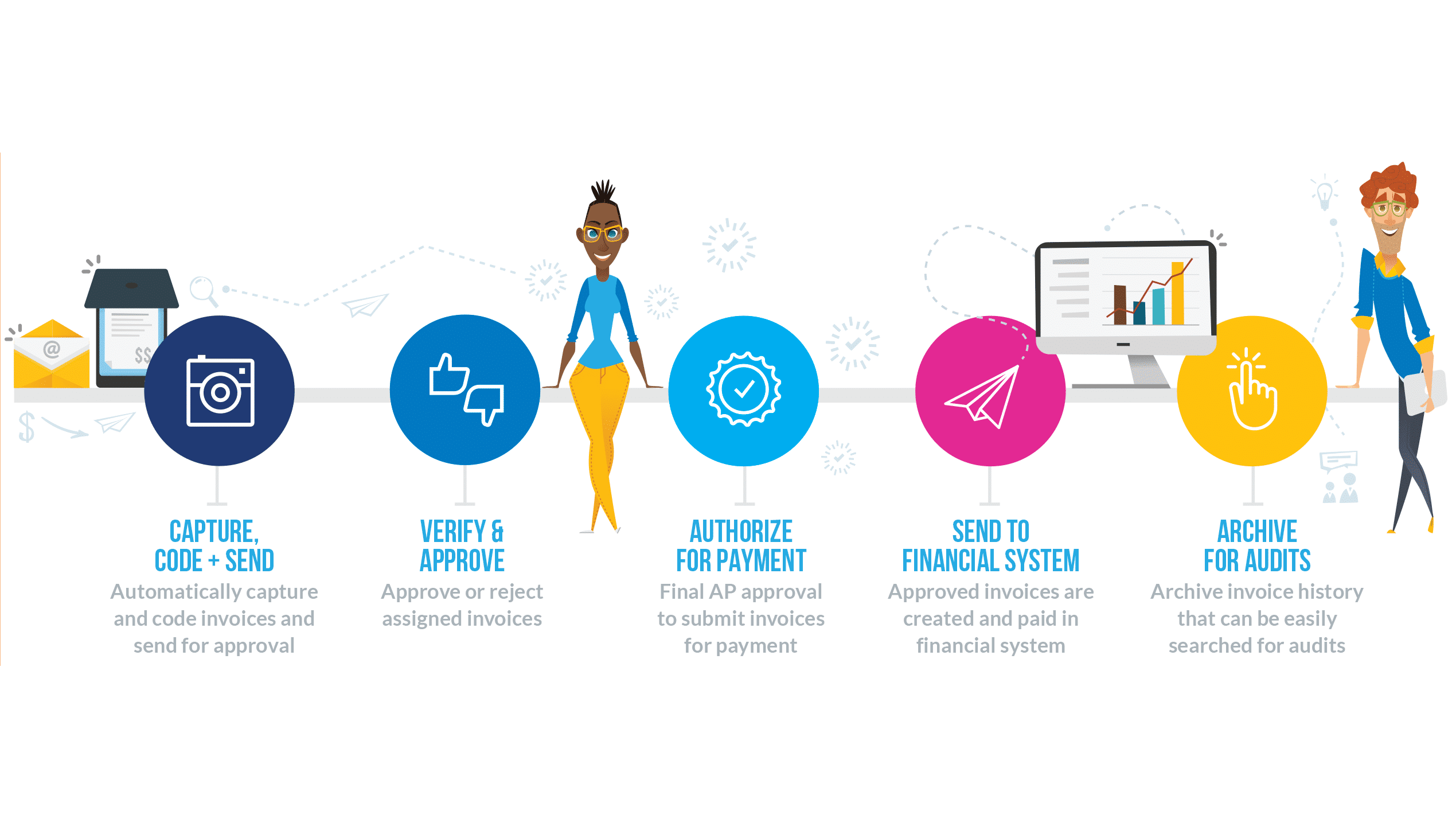
Today’s invoice processing is characterized by seamless integration and automation. Advanced software solutions have emerged, making it possible to integrate invoicing with other financial systems, such as accounts payable and receivable. This integration has streamlined financial operations significantly. For instance, platforms like Centime are reshaping the landscape, offering centralized solutions for automating AP and AR, monitoring cash flow, and securing new credit lines. Their integrated platform epitomizes the modern approach to invoice processing, where efficiency, accuracy, and financial insight are paramount.
The Digitalization Impact on Business Efficiency
The digitalization of invoice processing has revolutionized how businesses handle their financial transactions. The most notable change is the significant reduction in processing time. Digital invoices can be created, sent, and processed much faster than their paper counterparts. This speed not only improves workflow but also enhances accuracy. Digital systems reduce the risk of human error, ensuring that invoices are accurate and consistent.
Artificial Intelligence in Invoice Processing
Artificial Intelligence (AI) has brought a new level of sophistication to invoice processing. AI systems can automatically extract and process data from invoices, significantly reducing the time and effort required for manual data entry. This automation extends to data analysis, where AI can provide insights into spending patterns and vendor performance, helping businesses make more informed decisions.
Overcoming Digital Transition Challenges
Transitioning to digital invoice processing presents its own set of challenges, primarily in managing change within an organization. Employees accustomed to traditional methods may resist new systems. Addressing this requires effective training and communication about the benefits of digital invoicing. Educating staff on the use of new software not only eases the transition but also enhances overall efficiency.
The Global Impact of Digital Invoicing
Digital invoicing has a profound impact on international trade. It simplifies transactions across borders, accommodating different currencies and tax regulations. This global accessibility is essential for businesses expanding internationally, providing a unified platform for managing worldwide transactions.
Trends and Innovations in Invoice Processing
The future of invoice processing will be shaped by emerging technologies like blockchain and machine learning. Blockchain promises enhanced security and transparency, while machine learning can further improve efficiency and predictive capabilities. These technologies are set to redefine invoice processing, offering more secure and intelligent solutions.
The Ongoing Journey of Invoice Evolution
The evolution from paper invoices to digital platforms reflects a significant journey in the business world. This transition has brought about efficiency, accuracy, and a new level of sophistication in financial management. Reflecting on this progress is important, as it highlights the ongoing need for innovation and adaptation in business practices.
The journey of invoice processing is ongoing, with future developments poised to further transform the landscape. Businesses must remain vigilant and adaptable, ready to embrace new technologies and methodologies that emerge. Staying ahead in this evolving field will require foresight, flexibility, and a commitment to continuous improvement.
As we look to the future, the role of digital invoice processing in shaping the financial landscape is undeniable. It will continue to play a crucial role in how businesses manage their transactions, interact with partners, and plan for the future. Embracing these changes and innovations is not just about adopting new technologies; it’s about being part of a larger journey towards more efficient, transparent, and sustainable financial practices. The story of invoice processing, from paper to pixel, is a testament to the dynamic nature of business and the endless possibilities that lie ahead.