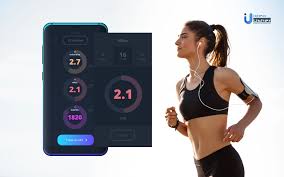
Fitness apps have become an indispensable tool for individuals seeking to lead an active and healthy lifestyle. As we approach 2024, the demands and expectations of users are continually changing, necessitating the integration of cutting-edge features into fitness apps. With advancements in technology and a growing emphasis on personalized experiences, the market for fitness apps is poised to witness a surge in innovation. To remain competitive and meet the diverse needs of users, fitness app developers must focus on incorporating features that not only facilitate workout tracking but also provide comprehensive support, motivation, and seamless integration into users’ daily routines.
Features for Fitness Apps
- Personalized Fitness Plans and Coaching
As fitness enthusiasts become more conscious of their unique needs and goals, personalized fitness plans and coaching will be essential. Apps should offer customizable workout routines tailored to individual preferences, fitness levels, and specific objectives, such as weight loss, muscle building, or endurance training. Additionally, virtual coaching or AI-powered fitness assistants can provide real-time guidance, feedback, and motivation to users, making the fitness journey more engaging and effective.
- Wearable Device Integration
The integration of wearable devices with fitness apps will become increasingly crucial in 2024. As a fitness app development company, seamless synchronization between apps and smartwatches, fitness trackers, and other wearable devices is essential. This integration allows for accurate monitoring and analysis of users’ physical activities, heart rates, sleep patterns, and other vital health metrics. By providing users with a comprehensive view of their overall fitness and health data, this integration empowers them to make informed decisions and adjustments to their routines. The ability to track and analyze their data through the fitness app enables users to gain a deeper understanding of their wellness trends and progress, ultimately leading to more effective and personalized fitness programs. Fitness app development company should prioritize the implementation of robust wearable device integration capabilities to enhance the user experience and position the app as a valuable tool for holistic health management.
- Augmented Reality (AR) and Virtual Reality (VR) Workouts
Incorporating AR and VR technologies into fitness apps can revolutionize the way users approach their workouts. AR can overlay digital information, such as exercise instructions or form guidance, onto the real-world environment, enhancing the user experience. VR, on the other hand, can transport users to immersive virtual environments, offering engaging and interactive workout experiences that mimic real-life scenarios or provide gamified fitness challenges.
- Social and Community Features
Social connectivity and community features will play a crucial role in motivating and supporting users on their fitness journey. Apps should incorporate features that allow users to connect with friends, family, or like-minded individuals, share their progress, participate in challenges, and engage in friendly competition. Additionally, forums or chat rooms can facilitate knowledge sharing, offer peer support, and foster a sense of belonging within the fitness community.
- Nutrition and Meal Planning
A holistic approach to fitness encompasses both physical activity and proper nutrition. Fitness apps should integrate comprehensive meal planning and nutrition tracking features. Users should be able to log their food intake, access healthy recipe recommendations, and receive personalized dietary guidance based on their fitness goals, dietary preferences, and allergies or restrictions.
- Mental Wellness and Mindfulness
Fitness apps will need to address not only physical well-being but also mental wellness. Incorporating mindfulness practices, such as meditation, breathing exercises, and stress-management techniques, can help users achieve a balanced and holistic approach to their overall health. Apps can offer guided meditation sessions, relaxation routines, and tools for tracking mood and mental state, promoting a harmonious mind-body connection.
- Gamification and Reward Systems
Gamification elements and reward systems can significantly enhance user engagement and motivation. Fitness apps can incorporate features like badges, points, leaderboards, and milestone celebrations to recognize users’ achievements and progress. Additionally, apps can offer virtual rewards, discounts, or incentives for reaching specific fitness goals, fostering a sense of accomplishment and encouraging users to maintain their commitment to a healthier lifestyle.
Conclusion
The fitness app landscape in 2024 will be shaped by the demand for personalized, immersive, and holistic experiences that cater to the diverse needs of users. By incorporating features such as personalized fitness plans, wearable device integration, augmented and virtual reality workouts, social connectivity, nutrition planning, mental wellness support, and gamification elements, fitness apps will empower individuals to achieve their fitness goals while fostering a sense of community and motivation. As technology continues to evolve, fitness apps that embrace innovation and prioritize user-centric design will emerge as leaders in the industry, providing users with the tools and resources necessary to embark on a transformative journey towards a healthier and more fulfilling lifestyle. The future of fitness apps lies in their ability to seamlessly integrate into users’ daily routines, offering comprehensive and engaging experiences that truly revolutionize the way we approach physical and mental well-being.