Ever wondered how to navigate the maze of dynamic markets with confidence? This article unveils the power of adapting moving averages, a game-changer in modern trading. From understanding the essence of moving averages to dissecting the advantages of adaptive strategies, embark on a journey to master market dynamics and enhance your trading prowess. Go rapid-axis-ai.org and learn about vital concepts of investing which can help you to make informed investing decisions in the volatile marketplace.
The Conceptual Framework: Flexibility in Analysis
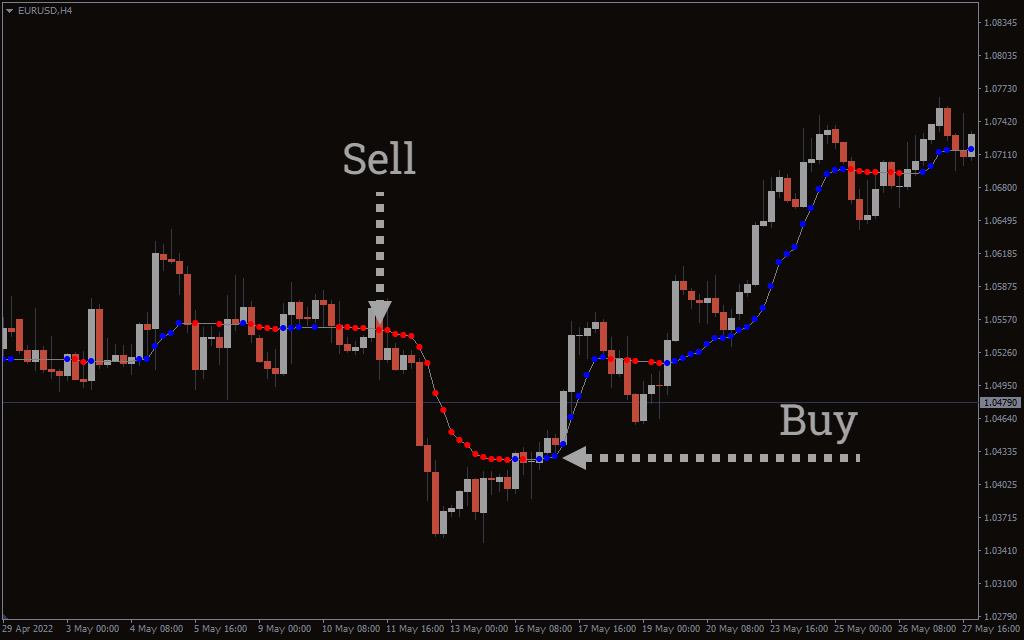
In understanding the conceptual framework of adaptive moving averages, it’s crucial to grasp the essence of flexibility within analysis. Unlike rigid methodologies, adaptive moving averages offer a dynamic approach to market assessment. They adapt to the ever-changing conditions of the market, providing traders with a versatile tool for decision-making.
Consider this: in a volatile market, where trends can shift rapidly, traditional static approaches may falter. However, adaptive moving averages, with their ability to adjust parameters based on market conditions, offer a more nuanced perspective. This flexibility allows traders to stay ahead of the curve, capturing trends more accurately and minimizing false signals.
Moreover, the flexibility of adaptive moving averages extends beyond just market conditions. They can also adapt to different trading styles and timeframes, catering to the diverse needs of traders. Whether you’re a day trader looking for short-term signals or a long-term investor seeking trend confirmation, adaptive moving averages can be tailored to suit your preferences.
But with this flexibility comes a need for careful consideration. Traders must understand the intricacies of parameter adjustments and strike a balance between responsiveness and reliability. It’s a delicate dance between adaptability and stability, requiring a nuanced understanding of market dynamics.
In essence, the conceptual framework of adaptive moving averages revolves around the idea of flexibility as a cornerstone of effective analysis. By embracing adaptability, traders can navigate the complexities of the market with confidence and precision.
Dynamic vs. Static Approaches: Advantages and Disadvantages
When comparing dynamic and static approaches to moving averages, it’s essential to weigh their respective advantages and disadvantages. Static moving averages, such as simple and exponential moving averages, offer simplicity and ease of interpretation. Traders can apply these techniques with minimal adjustments, making them ideal for beginners or those seeking a straightforward approach.
However, static moving averages have their limitations, particularly in dynamic market conditions. Their fixed parameters may fail to adapt to changing trends, resulting in delayed signals or false alarms. In fast-moving markets, this rigidity can be detrimental, leading to missed opportunities or unnecessary losses.
On the other hand, dynamic moving averages, like adaptive moving averages, offer a more responsive solution. By adjusting parameters based on market volatility or trend strength, these techniques provide a more accurate reflection of current market conditions. Traders can capitalize on timely signals and better navigate volatile price movements.
Yet, dynamic approaches are not without their drawbacks. The complexity of parameter adjustments can be daunting for novice traders, requiring a deeper understanding of market dynamics. Moreover, excessive optimization can lead to overfitting, where the model performs well in historical data but fails to generalize to new market conditions.
Types of Adaptive Moving Averages: A Comparative Analysis
In exploring the realm of adaptive moving averages, it’s essential to understand the different types available and their comparative advantages. Three primary types stand out: exponential moving averages (EMA), adaptive moving averages (AMA), and Kaufman adaptive moving average (KAMA).
Exponential Moving Averages (EMA) are among the simplest forms of adaptive moving averages. They assign greater weight to recent data points, making them more responsive to recent price changes. This responsiveness can be advantageous in fast-moving markets, where timely signals are critical. However, EMAs can be prone to whipsaws, generating false signals during periods of high volatility.
Adaptive Moving Averages (AMA) take responsiveness a step further by adjusting their parameters dynamically. Unlike EMAs, which use fixed smoothing factors, AMAs adapt to changes in market conditions, offering a more accurate representation of price trends. This adaptability reduces the likelihood of false signals, making AMAs suitable for volatile markets. However, the complexity of parameter adjustments may pose challenges for novice traders.
Kaufman Adaptive Moving Average (KAMA) combines the best of both worlds: responsiveness and stability. Developed by Perry J. Kaufman, KAMA dynamically adjusts its smoothing factor based on market volatility, striking a balance between adaptability and reliability. This unique feature makes KAMA well-suited for a wide range of market conditions, from trending to ranging markets. However, like other adaptive techniques, KAMA requires careful parameter optimization to avoid overfitting.
Conclusion
In conclusion, mastering market dynamics requires more than just traditional approaches. Adapting moving averages opens a door to a world of flexibility and precision in analysis. By leveraging the insights shared in this article, traders can unlock the secrets of dynamic markets and chart a course towards greater success in their trading endeavors.