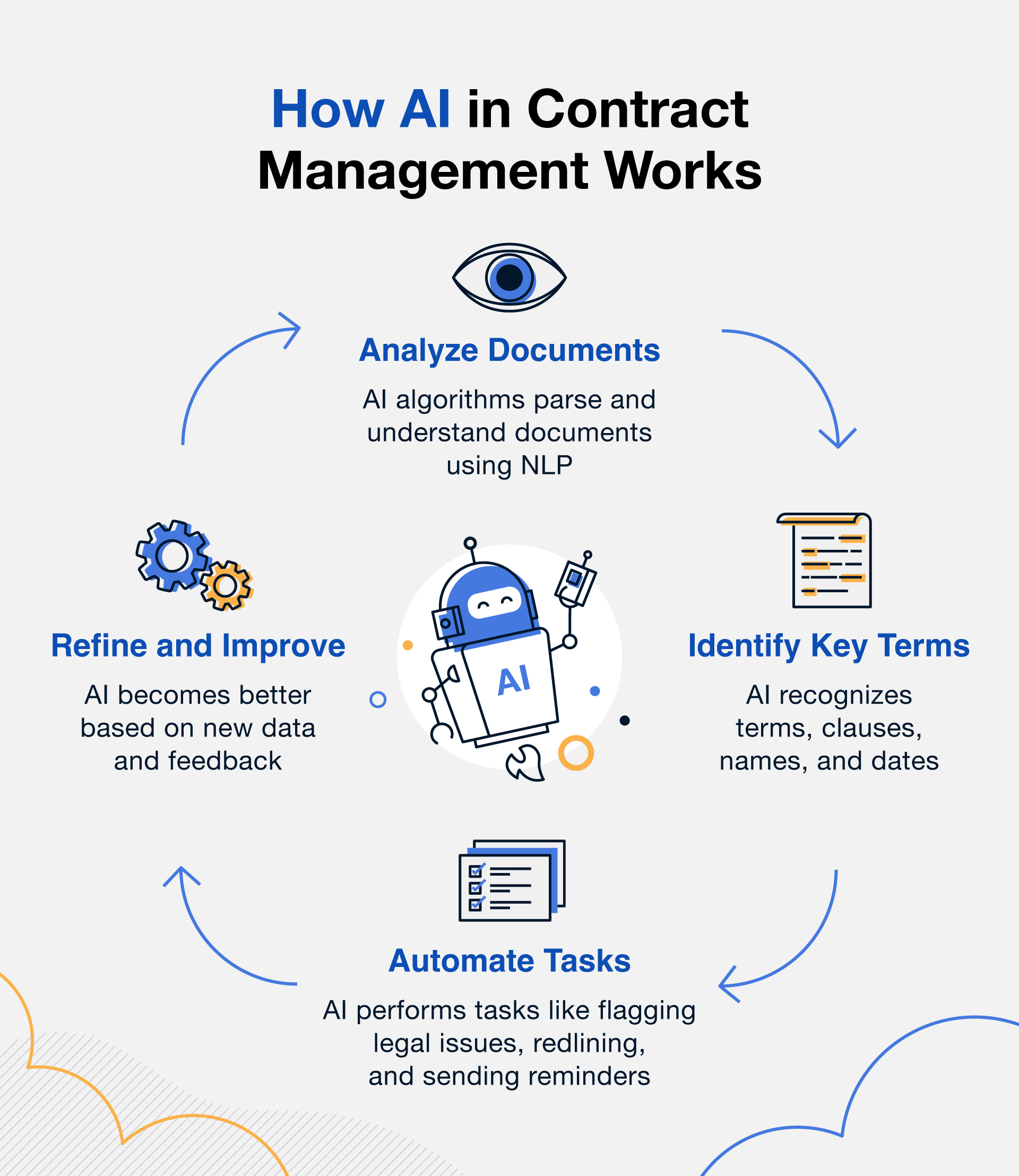
Legal teams often deal with time-consuming document revisions, slowing down deal closures. Traditional methods require extensive manual effort, increasing the risk of errors. Intelligent automation transforms this process, accelerating approvals while improving accuracy. AI-driven tools analyze large volumes of text in seconds, highlighting inconsistencies that might take hours to detect manually.
Faster Document Analysis
Manual examination of legal agreements takes hours, sometimes days. Using ai contract review helps scan key terms instantly, identify inconsistencies, and reduce potential risks. By reducing human intervention, businesses can shorten approval cycles without compromising precision.
These systems highlight ambiguous language that could lead to disputes, ensuring clarity in every clause. Additionally, they categorize key provisions, making comparing terms across multiple agreements easier.
Automated Error Detection
● Human oversight leads to missed details that could result in costly disputes.
● AI-powered systems flag inconsistencies, ensuring alignment with predefined standards.
● These tools compare clauses across multiple agreements, catching discrepancies before finalization.
● They also detect missing key terms, preventing unfavorable conditions from slipping unnoticed.
● Built-in risk assessment features prioritize critical issues, allowing legal teams to address them proactively.
Streamlined Collaboration
Legal teams, counterparties, and stakeholders often face challenges in coordinating revisions. Centralized platforms allow real-time input from multiple parties, eliminating delays caused by back-and-forth emails.
This structured approach keeps everyone aligned, reducing miscommunication. Features like automated comment tracking ensure that feedback is organized and easily accessible. Secure access controls allow only authorized users to edit, preventing unauthorized changes.
Reduced Negotiation Time
Traditional back-and-forth discussions slow down deal closures. AI-driven insights suggest optimized wording, allowing both parties to reach agreements faster. By analyzing past agreements, these systems recommend language that aligns with successful outcomes, cutting unnecessary revisions.
Machine learning models assess historical negotiation patterns, helping teams anticipate objections before they arise. This proactive approach reduces the number of revisions required to reach a final agreement.
Improved Compliance Checks
Regulatory requirements frequently change, making it difficult to stay updated. AI-driven tools cross-check agreements against the latest regulations, ensuring legal adherence. This reduces the likelihood of penalties and ensures consistency across all documents.
Automated alerts notify teams when new regulatory updates impact existing agreements. Preconfigured compliance templates help standardize contract language, minimizing legal exposure.
Enhanced Version Control
Keeping track of multiple edits creates confusion, especially in long negotiation cycles. Automated tracking systems maintain a clear history of modifications, preventing conflicts over outdated versions. Legal teams can quickly reference previous changes, ensuring transparency in every revision.
Timestamped change logs provide a reliable audit trail, reinforcing accountability. Version comparison features highlight modifications, making it easy to review adjustments at a glance.
Seamless Workflow Integration
● Integrating intelligent automation into existing operations minimizes disruption.
● These tools sync with document management platforms, allowing teams to maintain their current processes while benefiting from increased speed and accuracy.
● Effortless integration leads to faster adoption and minimal training requirements.
● APIs enable direct connectivity with popular legal software, reducing manual data entry.
● Customizable automation settings let businesses tailor the system to their specific needs, ensuring a smooth transition.
Using ai for contract review eliminates bottlenecks, reduces errors, and accelerates final approvals. Organizations adopting intelligent contract technology gain a competitive edge, closing deals faster and more accurately. Embracing these advancements ensures smoother negotiations and a more efficient legal workflow. Businesses can reduce legal risks by leveraging AI-powered solutions while enhancing overall productivity. A well-implemented system streamlines the review process and strengthens contractual security.
