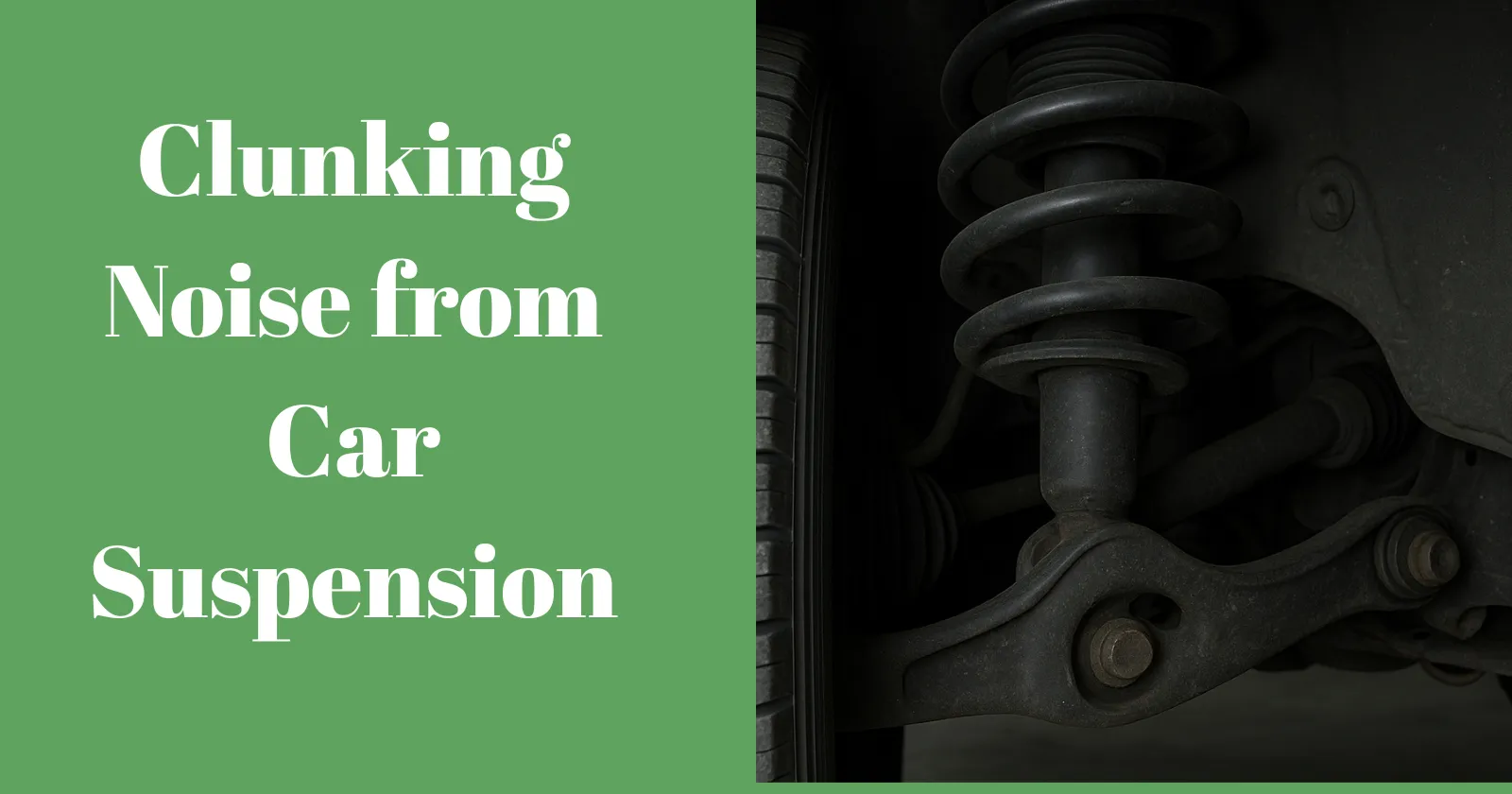
Hearing a clunking noise while driving can be alarming. You might wonder whether it’s just a minor issue or something that needs immediate attention. Many drivers also question if a bad wheel alignment could be the culprit. While alignment affects handling and tire wear, can it really be the reason behind those unsettling clunks?
In this article, we’ll break down what a clunking noise really means, how it relates to alignment, and other potential causes. We’ll also share actionable solutions, including when to consult a professional for a Suspension Repair Houston service, so you can keep your car safe, smooth, and reliable on the road.
What Is a Clunking Noise? Understanding the Sound
Not all car noises are created equal. Clunking is typically a deep, metallic “thud” or “bang” that happens when parts in your car move or hit against each other. Recognizing the type and timing of the sound can help pinpoint the source.
- While turning: A clunking sound when steering often points to suspension or steering components.
- Over bumps: Noise occurring while driving over uneven roads can indicate worn shocks, struts, or bushings.
- During braking or acceleration: May suggest issues with brakes, wheel bearings, or engine mounts.
By understanding the nature of the noise, you can better determine whether alignment is involved or if other mechanical parts are to blame. If you’re unsure or the source isn’t obvious, finding a trusted Auto Repair Near Me can help diagnose the issue and get your vehicle back to smooth, safe operation.
Can a Bad Alignment Cause Clunking? The Real Connection
Wheel alignment ensures your tires meet the road at the correct angles, improving handling and tire life. Misalignment rarely causes clunking directly, but it can place extra stress on certain components, making existing issues more noticeable.
Suspension Components
Ball joints, control arms, and bushings can clunk if stressed or worn. Misaligned wheels add load to these parts, causing noises over bumps or turns. If needed, a Suspension Repair Near Me service can inspect and replace worn components to restore smooth handling.
Steering Parts
Tie rods and rack-and-pinion systems can also produce clunks when alignment is off, especially during turns or directional changes.
Shocks and Struts
Worn shocks or struts may clunk over bumps, and misalignment can accelerate this wear. Replacing them improves ride quality and reduces noise.
In short, while alignment isn’t usually the main cause, it can amplify existing suspension or steering issues, making proper inspection and maintenance essential.
Identifying the Noise: How to Know What’s Causing It
Before rushing into repairs, it’s important to identify the source of the clunking noise. Knowing when and how it occurs can save time and money:
- Test drive carefully: Note if clunks appear during turns, braking, acceleration, or over bumps.
- Inspect tires and alignment: Look for uneven wear patterns that suggest misalignment.
- Check suspension and steering components: Ball joints, bushings, tie rods, and shocks should be inspected for wear or looseness.
- Listen for accompanying signs: Humming, grinding, or vibrations may point to bearings or other worn parts.
Identifying the exact situation helps you understand whether alignment or other components are causing the noise.
Other Possible Reasons for Clunking Noises
While alignment can play a role, most clunking is caused by suspension and steering problems. Other common causes include:
- Worn ball joints or bushings: Loose joints create movement and a clunking sound when turning or going over bumps.
- Loose or damaged tie rods: Critical for steering control, worn tie rods can produce noticeable clunks.
- Shocks or struts: Old or damaged shocks/struts may create noise over uneven surfaces.
- Wheel bearings: Worn bearings often produce both clunking and humming noises.
- Brake components: Loose calipers or pads can create a thudding sound during braking.
By considering these possibilities, you can avoid misdiagnosing the problem and ensure repairs address the real cause.
Fixing the Issue: Steps to Silence the Clunk
Once you’ve identified the cause of the clunking noise, the next step is repair. Addressing the issue typically involves a combination of alignment correction, part replacement, and routine maintenance. Here’s how to approach it:
Correct Alignment
A professional wheel alignment ensures that your tires meet the road at the proper angles. Proper alignment reduces stress on suspension and steering components, which can prevent noises caused by uneven pressure or overworked parts.
Replace Worn Parts
Clunking often comes from worn or loose components. Replacing bushings, ball joints, shocks, struts, tie rods, and other suspension or steering parts restores stability and smooth operation, eliminating the noise and preventing further damage.
Brake and Bearing Checks
Sometimes clunks originate from brakes or wheel bearings. Inspecting brake calipers, pads, and bearings ensures that these parts aren’t contributing to the noise and are functioning correctly.
Routine Maintenance
Regular inspections of tires, suspension, and alignment prevent recurring clunking noises. Routine maintenance helps catch small issues early, prolongs vehicle life, and ensures safer, smoother driving over time.
Addressing these issues promptly not only silences clunking but also improves handling, extends tire life, and keeps your car safe on the road.
Diagnosing and Inspecting Your Vehicle
Even minor clunking noises should not be ignored. Performing a careful inspection can help pinpoint the issue:
- Check tire pressure and wear: Uneven wear can indicate alignment problems.
- Drive on a flat surface: Notice when clunks occur—over bumps, during turns, or while braking.
- Listen and observe: Humming, grinding, or vibrations may suggest suspension, steering, or bearing issues.
- Seek professional help: If the source isn’t obvious, a trusted mechanic can perform a detailed inspection and ensure proper repairs.
Regular inspections can prevent small issues from turning into major, costly problems.
Drive Quiet and Confident
Don’t let clunking noises compromise your driving experience. While a bad alignment alone rarely causes the noise, it can worsen the effect of worn suspension, steering, or brake components. By inspecting your vehicle, correcting alignment issues, and replacing worn parts, you can restore smooth handling, prevent further damage, and enjoy safer, more comfortable drives. Regular care isn’t just about your car—it’s about confidence and peace of mind every time you hit the road.