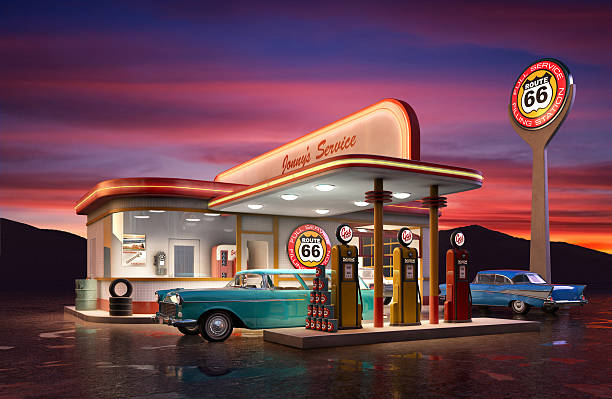
In an era where the digital age dominates our lives, there exists a compelling nostalgia for the past, particularly in the realm of vintage Americana. Among the artifacts that evoke this sentiment are antique gas pumps—iconic symbols of a bygone era when road trips were celebrated adventures and petrol stations served as social hubs. The restoration of these classic petrol stations not only preserves a piece of history but also revitalizes communities by rekindling the charm of yesteryear. Enthusiasts and collectors alike recognize the significance of these artifacts, viewing them as more than mere relics; they embody stories, craftsmanship, and the evolution of automotive culture. As restoration projects gain momentum, skilled artisans and hobbyists are breathing new life into these mechanical giants, ensuring that their legacy endures for future generations. This article delves into the intricate process of restoring antique gas pumps, exploring the history behind these remarkable machines, the challenges faced by restorers, and the profound impact such efforts have on community identity and heritage preservation. Join us on a journey through time as we uncover the artistry and passion that fuels the revival of these classic petrol stations, reminding us of the simple pleasures of the open road.
– Importance of preserving vintage gas pumps
Preserving vintage gas pumps serves as a crucial endeavor for cultural heritage, reflecting the evolution of automotive history and the societal changes that accompanied the rise of the automobile. These pumps are not merely functional objects; they embody the craftsmanship and design aesthetics of their time, offering a tangible connection to the past. As symbols of a bygone era, they provide insight into the economic and social dynamics of early 20th-century America, where the gas station became a cornerstone of daily life and travel.
Moreover, the restoration and preservation of these artifacts contribute to local identity and tourism, attracting enthusiasts and visitors eager to experience a piece of history. By maintaining vintage gas pumps, communities can celebrate their historical significance while fostering appreciation for the technological advancements that have shaped modern transportation. This blend of nostalgia and cultural education enhances public understanding of how these icons have influenced mobility, commerce, and the very fabric of society.
– Key techniques for restoring antique pumps
Restoring antique pumps requires a meticulous approach that honors their historical integrity while ensuring they can withstand the tests of time and weather. One key technique involves disassembling the pump to assess its condition thoroughly. This step often includes carefully documenting each component, taking photographs, and labeling parts for reassembly. Cleaning is paramount; utilizing non-corrosive solvents and gentle abrasives can remove decades of grime without damaging the original surfaces. Additionally, restoring the pump’s paint typically involves a combination of sanding, priming, and applying historically accurate color matches to preserve authenticity.
Another crucial aspect lies in sourcing replacement parts that align with the original specifications. This may necessitate fabrication techniques for rare components or utilizing 3D printing to replicate unavailable pieces. Attention to detail is essential when reassembling the pump, ensuring that all mechanisms are functional, including the internal pumping system and external displays. Finally, sealing with appropriate protective coatings will safeguard the restored pump from environmental factors, allowing it to continue serving as a captivating relic of automotive history for future generations.
– Tips for sourcing original pump parts
When sourcing original pump parts, it is vital to establish connections with reputable vintage restoration specialists and collectors who have a deep knowledge of antique gas pump components. Attending trade shows, auctions, and swap meets dedicated to vintage machinery can uncover valuable resources and networking opportunities. Online forums and communities focused on antique restorations can also provide leads on suppliers who specialize in hard-to-find parts or have inventories of original components.
Additionally, leveraging social media platforms can aid in seeking out rare parts. Engaging with groups dedicated to vintage gas pumps can facilitate introductions to enthusiasts who might be willing to sell or trade original parts. It’s important to verify the authenticity of the items being sourced, so requesting provenance or documentation that guarantees their originality can help ensure the integrity of the restoration process. By combining these strategies, restorers can enhance their chances of successfully sourcing the right components while preserving the historical value of these cherished artifacts.
In conclusion, the restoration of antique gas pumps not only serves as a tribute to the rich history of the automotive industry but also rejuvenates the nostalgia associated with classic petrol stations. These vintage pieces are not merely functional relics; they embody the craftsmanship and design aesthetics of their time, offering a tangible connection to the past. As enthusiasts and restorers continue to preserve and showcase these iconic artifacts, they contribute to a greater appreciation of our cultural heritage. The revival of antique gas pumps stands as a testament to the enduring allure of classic Americana, ensuring that future generations can enjoy and learn from these remarkable symbols of a bygone era.