Are you up to date in the tech world? Do the current internet-related investments and technologies fascinate you? Are you familiar with the type of technology and computational jargon they contain? Yes, I know you have come across terms like “IoT,” “edge computing,” or “edge computing iot” either as part of your computing technology career or as a layman via media sources.
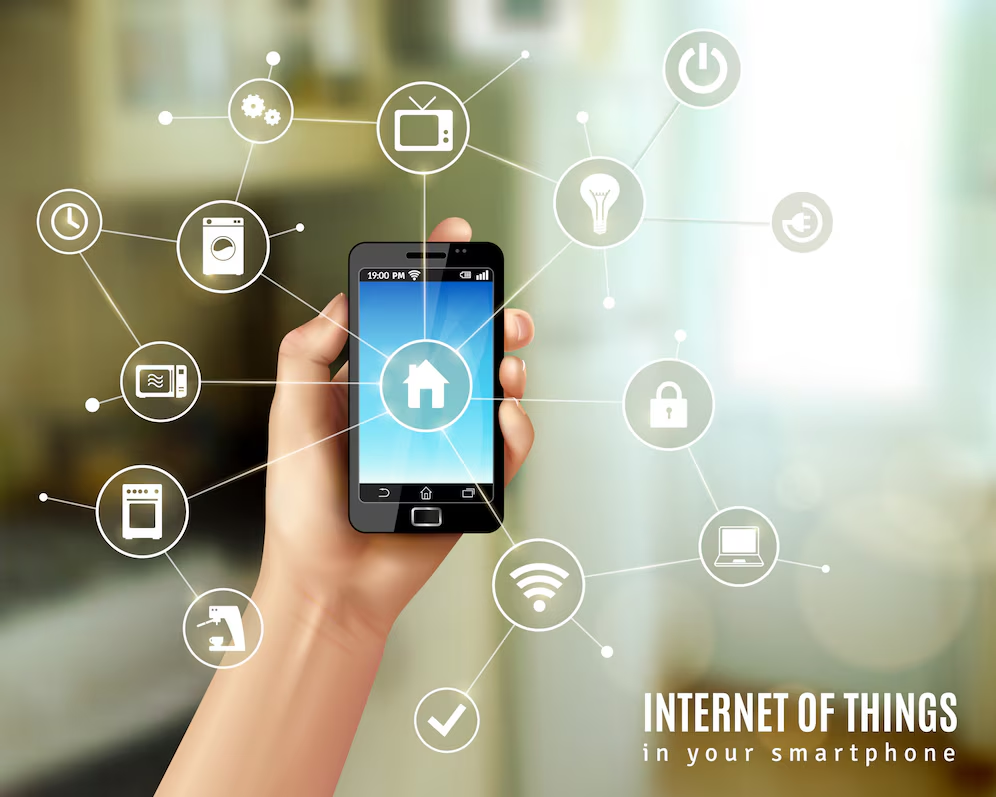
We will start with IoT, the Internet of Things, to define the two terms. IoT refers to the procedure of connecting physical objects to the Internet. The Internet of Things comprises hardware systems or physical objects that, on their own, collect and send data via a network. Smartwatches, sensors, driverless cars, smart houses, and industrial IoT devices are a few examples that utilize edge IoT devices created by any IoT development company.
What about edge computing? This is a computer technology that refers to the process of relocating computing, storage, and networking operations in close proximity to consumers or data sources. By relocating computing services in proximity to these areas, consumers may enjoy enhanced speed, increased reliability, and an improved user experience. Additionally, enterprises can implement new types of applications that are sensitive to latency. However, how do the two operate together? What benefits come with utilizing this novel edge computing infrastructure? Let’s find out!
Edge Computing Essentials
Edge computing is different from other types of computer models in a few critical ways:
Excellent Network Performance
It’s a revolutionary Cloud Edge system. that works ten times faster than its rivals. Not one, but two Intel Xeon servers can give you up to 200 Gbps. Its unique mix of linear growth of the user, control, and management data planes makes it possible for networks to grow quickly and efficiently at the edge.
Flexibility in Deployment
Edge computing is adaptable and can be used anywhere, on-premise, in the cloud, or on a mobile device. This allows companies to use edge computing options at the lowest cost.
Combined Virtual Probe and Real-Time Analytics
Because edge computing has a virtual probe and built-in real-time data, businesses can learn about how customers act almost instantly. This gives companies the information they need to choose the best way to serve their customers.
Automation and Orchestration
Edge computing can also automate and manage apps, making rolling out new services easier and getting them to market faster. In today’s very competitive market, these skills are instrumental.
Decentralized Processing
Edge computing spreads out the handling of data by letting it get processed closer to where it comes from. Businesses can then get insights more quickly and make better choices.
Security
You can’t mess up with edge cybersecurity because hacking is becoming more likely. Edge computing is automatically safe because it doesn’t need to send data through a central processing unit. This makes it easier to keep your data safe from hackers and lowers the chance that it will get lost or stolen.
Benefits of Edge Computing in IoT
Numerous benefits derive from the edge computing infrastructure that facilitates edge computing in IoT devices. The benefits include:
Real-Time Latency Reduction
IoT applications often function as sophisticated monitoring systems. They gather and analyze data, then initiate actions based on the resulting insights. This occasionally occurs every hour, daily, or only in response to a specific interaction with the device. When real-time insights are crucial, edge computing can be a valuable asset for IoT.
With edge computing being closer to the IoT device, data collection and analytics occur in a physically closer location, such as within the same country or region or on the premises, rather than in a large centralized data center. The short distance traveled minimizes network latency to the data center and back. By leveraging edge computing, optimizing IoT applications enables immediate action when needed.
Optimized Bandwidth Usage
IoT devices often transmit small packets of data to a data management platform, which then analyzes the data to uncover valuable insights. Data streaming operates smoothly to a centralized, often private, cloud platform. In the future, as the number of connected devices continues to grow, there may be a considerable strain on operators’ backhaul networks.
Streaming data packets in real time from numerous devices in a concentrated area—a good example is a manufacturing plant or metro center—can have a significant overall impact despite the small size of each individual packet. With edge computing, processing and filtering IoT-generated data gets closer to the devices. This helps optimize bandwidth by streaming only data necessary for long-term storage or analysis on a central management platform.
Improving IoT Security
Managing security in the IoT ecosystem can be a significant challenge, especially as the number of connected devices grows. Malware can exploit IoT devices to carry out DDoS attacks, for instance. Although edge computing may not offer inherent security advantages over a private cloud, it does provide the advantage of being more localized.
For companies that prioritize data security, edge computing can offer valuable benefits. It allows data storage in locations that comply with specific data protection laws, ensuring peace of mind for businesses. With edge servers on the premises, companies can maintain complete control over their data, ensuring it never leaves their local perimeter. They can also manage access to the servers that store the information.
IoT Technologies Enabled by Edge Computing
With companies’ growing dependence on cloud-based services and software, the advantages of edge-based solutions are becoming increasingly beneficial for all parties involved. Below are some of the insights.
VR, AR and AI Software Development
For companies that rely on or develop software that requires significant resources, the expenses associated with using cloud services for their operations can add up rapidly. Suppose your company uses Virtual Reality (VR), Augmented Reality (AR), or Artificial Intelligence (AI) technologies.
In that case, you’re likely incurring significant costs for the cloud services needed to store data for these demanding tools. The burden on your cloud network can be significantly reduced with edge solutions. Using edge location servers, the processing and transfer of data happen simultaneously through a system referred to as Edge Gates; by leveraging the computational power of local machines, you can ensure the seamless operation of your more extensive network.
Smart Cities and Self-Driving Cars
This will be crucial as technological integration in public facilities brings us closer to a future of smart cities and self-driving cars. These devices rely heavily on the ability to move data efficiently. Without incorporating edge solutions within these devices and in nearby data centers, the capacity for these new technologies to upload and retrieve information will be significantly restricted.
Low Latency in Online Gaming
As previously stated, a significant benefit of edge computing is the decrease in latency. For companies that offer streaming services or competitive gaming experiences, edge solutions are becoming increasingly essential. When it comes to gaming, lag can be a real buzzkill. It can turn a fantastic game into a frustrating experience, causing players to lose interest and tarnishing your company’s image. Edge solutions are crucial in addressing the problem of latency, providing your company with a competitive advantage to maintain its position at the forefront.
Mobile Apps Development
Mobile gaming and app development companies will also find edge solutions advantageous. By keeping your servers in close proximity to your users, you can ensure a consistently high level of performance. Real-time applications that promote teamwork and collaboration across long distances frequently encounter communication delays. Such circumstances can result in misinterpretations and reduced productivity. Minimizing latency can ensure customer satisfaction and enhance the user experience, giving you a competitive edge.
Efficient Domain Hosting
Traditional domain hosting benefits from edge computing. Many studies demonstrate that the average internet user is impatient. Slow website and eCommerce loading rates can hurt company growth. If two services offer a comparable experience, the one that runs faster and more efficiently will likely perform better.
Avoid giving your competition an unwarranted edge. Edge computing reduces latency and optimizes resource use, improving the client experience. This method makes adopting new technology affordable, reducing your company’s expenditure.
Conclusion
Now that you have gained a deeper understanding of edge computing, its numerous benefits and impact on edge IoT devices, and the industries that can significantly profit from its implementation in the real world. This has led to the evolution of edge data processing techniques for businesses and companies, thereby creating leverage for more edge technology innovation.
Edge computing has now redefined IoT network efficiency, which businesses, companies, and institutions can leverage with innovative ideas. Edge computing enables you to harness the full potential of the abundant untapped data generated via edge data processing structures through interconnected devices. Therefore, unveil fresh business prospects, enhance operational efficiency, and deliver quicker, more dependable, and consistent customer experiences.