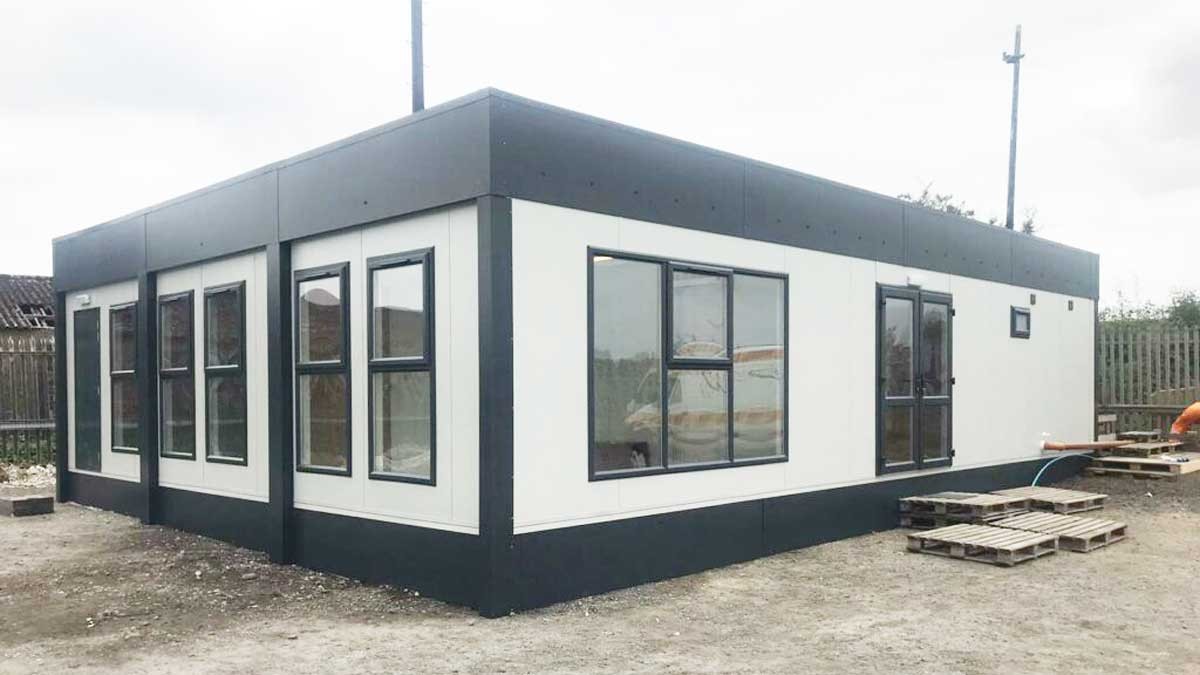
Portable buildings have emerged as versatile solutions for various needs, including office spaces, classrooms, storage facilities, and temporary accommodations. As businesses and organizations seek cost-effective alternatives to traditional construction, portable buildings offer flexibility, affordability, and rapid deployment.
This article will delve into the factors that determine the cost-effectiveness of portable buildings for sale and explore how they can be a viable solution for diverse applications.
1. Initial Investment vs. Long-Term Savings
When considering the cost-effectiveness of portable buildings, it’s essential to weigh the initial investment against long-term savings. While the upfront cost of purchasing a portable building may be higher than renting or leasing traditional space, portable buildings offer significant savings over time.
Unlike conventional construction, portable buildings require minimal site preparation, construction time, and ongoing maintenance expenses. As a result, businesses can recoup their investment quickly and enjoy cost savings in the long run.
2. Flexibility and Scalability
One of the key advantages of portable buildings for sale is their flexibility and scalability. Portable buildings can be easily relocated, expanded, or reconfigured to accommodate changing needs and evolving business requirements.
This flexibility eliminates the need for costly renovations or expansions associated with permanent structures, saving businesses both time and money. Additionally, portable buildings can be leased or purchased on a short-term basis, allowing businesses to adjust their space requirements without long-term commitments.
3. Reduced Construction Time and Disruption
Traditional construction projects often entail lengthy lead times, disruptions to business operations, and unforeseen delays, all of which can drive up costs. In contrast, portable buildings can be manufactured off-site and delivered ready-to-use within a fraction of the time required for conventional construction.
This accelerated construction timeline minimizes downtime, reduces project risks, and enables businesses to start generating revenue sooner. By avoiding the costs associated with extended construction periods, portable buildings offer a cost-effective alternative for businesses seeking rapid deployment solutions.
4. Lower Operating Costs
Portable buildings are designed to be energy-efficient, with features such as insulation, ventilation, and energy-efficient lighting to minimize utility expenses. Additionally, many portable buildings are equipped with modern amenities, including heating, cooling, and plumbing systems, to ensure occupant comfort while keeping operating costs low.
By optimizing energy efficiency and reducing utility expenses, portable buildings offer ongoing cost savings compared to traditional structures, making them a cost-effective solution for long-term use.
5. Minimal Site Preparation and Foundation Requirements
Unlike permanent structures, portable buildings require minimal site preparation and foundation requirements, further reducing construction costs and timelines. Portable buildings can be installed on various surfaces, including gravel, asphalt, or concrete pads, eliminating the need for costly excavation or foundation work.
This simplified installation process not only saves time and money but also minimizes disruption to the surrounding environment. Businesses can quickly deploy portable buildings without the need for extensive site preparation, making them a cost-effective solution for temporary or remote locations.
6. Tax Benefits and Depreciation
Purchasing a portable building may offer tax benefits and depreciation allowances that can further enhance its cost-effectiveness. Depending on local regulations and tax laws, businesses may be eligible for deductions or credits related to capital expenditures on portable buildings.
Additionally, portable buildings are considered movable property and may be eligible for accelerated depreciation, allowing businesses to recoup their investment more quickly. By leveraging tax incentives and depreciation allowances, businesses can maximize their return on investment and enhance the cost-effectiveness of portable buildings.
7. Reusability and Resale Value
Portable buildings are designed for durability and longevity, with many models offering a lifespan of 20 years or more. Unlike traditional construction, portable buildings can be disassembled, relocated, and repurposed for future use, extending their lifespan and maximizing their value.
Additionally, portable buildings retain their resale value over time, allowing businesses to recoup a portion of their investment if they choose to sell or decommission the building. This reusability and resale value further enhance the cost-effectiveness of portable buildings as a long-term investment.
The Economic Advantages of Portable Buildings
Portable buildings offer a cost-effective solution for businesses seeking flexible, scalable, and rapidly deployable space solutions.
With advantages such as reduced construction time and disruption, lower operating costs, minimal site preparation requirements, tax benefits, and reusability, portable buildings provide significant cost savings over traditional construction methods.
By evaluating the total cost of ownership and considering factors such as long-term savings, flexibility, and scalability, businesses can determine whether portable buildings are a cost-effective solution for their specific needs.