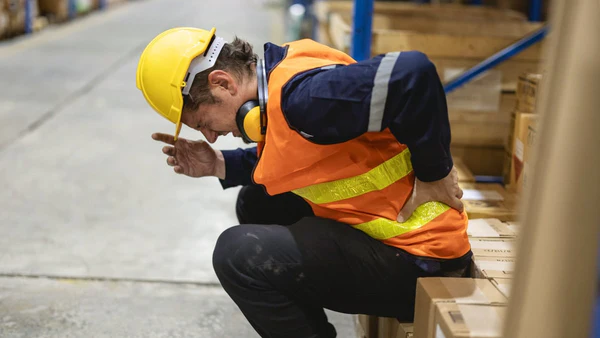
In a fast-growing city like Brisbane, the variety of industries—from construction and healthcare to office-based work—means that common work injuries occur in many different settings. Understanding what these injuries are, why they happen, and how to deal with them is important not just for injured workers, but also for employers, safety professionals, and local work injury lawyers in Brisbane who assist in navigating the legal aspects of compensation claims.
Workplace injuries aren’t limited to high-risk jobs. While construction workers, tradies, and healthcare professionals are statistically more likely to be injured, even office workers can suffer serious and long-term damage. Whether you’re lifting heavy materials or typing for hours each day, there’s always the potential for injury if proper precautions aren’t taken.
Why Understanding Work Injuries Matters
Knowing the most common work injuries in Brisbane helps both employees and employers reduce risk. It also assists in identifying early warning signs and taking action before injuries worsen. More importantly, it contributes to a safer working culture—something every workplace should aim for.
In Brisbane, work injuries are not only a health concern but also a financial and legal one. Injury claims can lead to long absences from work, long-term medical treatment, and in some cases, permanent disability. That’s why early intervention, awareness, and proper workplace training are so essential.
1. Musculoskeletal Injuries
Musculoskeletal injuries (MSIs) are among the most reported work injuries in Brisbane. These typically include:
- Back strain
- Neck pain
- Shoulder injuries
- Repetitive strain injuries (RSIs)
They often result from heavy lifting, awkward postures, or repetitive movements over time. Construction workers, warehouse staff, and aged care workers are particularly at risk, but even office workers who sit too long or use poor ergonomic setups can suffer these injuries.
Preventing MSIs involves proper training on lifting techniques, ergonomic assessments, and encouraging regular movement and posture breaks throughout the workday.
2. Slips, Trips, and Falls
Another frequent cause of work injuries is falling—whether it’s a simple slip on a wet floor or a serious fall from scaffolding. These accidents can cause:
- Sprains
- Fractures
- Head injuries
- Long-term mobility issues
In Brisbane, where construction and infrastructure projects are ongoing year-round, fall-related injuries are particularly common. But they’re also prevalent in hospitality and healthcare settings, where spills or cluttered walkways increase risk.
Routine hazard checks, clean and organized workspaces, and the use of proper footwear are some of the basic yet effective prevention methods.
3. Cuts and Lacerations
From kitchen environments to industrial sites, cuts and lacerations are another regular occurrence in Brisbane workplaces. They range in severity, from minor scrapes to deep wounds requiring stitches or even surgery.
Most are caused by:
- Sharp tools
- Machinery accidents
- Poor handling techniques
- Lack of protective gear
Training and the correct use of personal protective equipment (PPE) play a crucial role in reducing these injuries. Employers should also ensure that all tools are properly maintained and that safety protocols are followed consistently.
4. Burns and Scalds
In environments like restaurants, manufacturing plants, and chemical labs, burn injuries are a real risk. These can be thermal (from heat or flame), chemical, or electrical. Depending on the source and severity, they can lead to long hospital stays or permanent scarring.
Immediate first aid, safe handling procedures, and access to emergency facilities can drastically reduce the impact of these injuries.
5. Psychological Injuries
Not all work injuries are visible. Mental health conditions caused by workplace stress, bullying, or traumatic events are becoming more recognized in Brisbane’s workforce. These include:
- Anxiety
- Depression
- Post-traumatic stress disorder (PTSD)
Psychological injuries can be as debilitating as physical ones. They often go unreported due to stigma or fear of job loss. Addressing mental health in the workplace involves supportive leadership, clear reporting channels, and access to professional counselling or employee assistance programs.
6. Hearing Loss
In industries like construction, manufacturing, and mining, prolonged exposure to loud noise can lead to gradual hearing loss. This condition is often underreported because it develops slowly and may not be noticed until significant damage has occurred.
Providing proper hearing protection and conducting regular hearing tests for employees in high-risk roles are effective preventative measures.
7. Vehicle-Related Injuries
Injuries sustained while driving for work—whether delivering goods, travelling between sites, or operating machinery—are also common. Accidents on the road can range from minor whiplash to serious trauma, and they often form part of journey or transport-related claims.
Following road safety laws, maintaining vehicles, and ensuring drivers are not overworked are key to reducing incidents.
Legal and Financial Implications
Workplace injuries often lead to compensation claims. Whether it’s time off, medical costs, or permanent impairment, the fallout from a work injury can be life-changing. Many workers in Brisbane seek help from local work injury lawyers in Brisbane to better understand their rights and options, especially if a claim is disputed or rejected.
Having professional legal guidance doesn’t just help navigate the paperwork—it ensures fair treatment, proper evaluation of the injury, and access to rightful compensation. However, legal help should be seen as part of the broader support system available to workers, not a last resort.
Creating a Safer Work Environment
Reducing the frequency of common work injuries in Brisbane requires a collaborative approach:
- For employers: Invest in safety training, perform regular risk assessments, and create open lines of communication for reporting hazards.
- For employees: Be proactive in reporting unsafe conditions, using safety equipment, and following protocols.
- For everyone: Recognize that safety is not a one-off task—it’s a continuous commitment.
Final Thoughts
Workplace injuries in Brisbane reflect the diversity of industries and environments across the city. From back strains to psychological stress, the risks are real—but they’re also manageable. By understanding the most common work injuries, acknowledging their causes, and committing to prevention, we can build safer, healthier, and more supportive workplaces for everyone.
Whether you’re an employer looking to improve safety or a worker recovering from an incident, knowledge is your first line of defense. And if things go wrong, knowing your rights—and where to turn for help—can make all the difference.