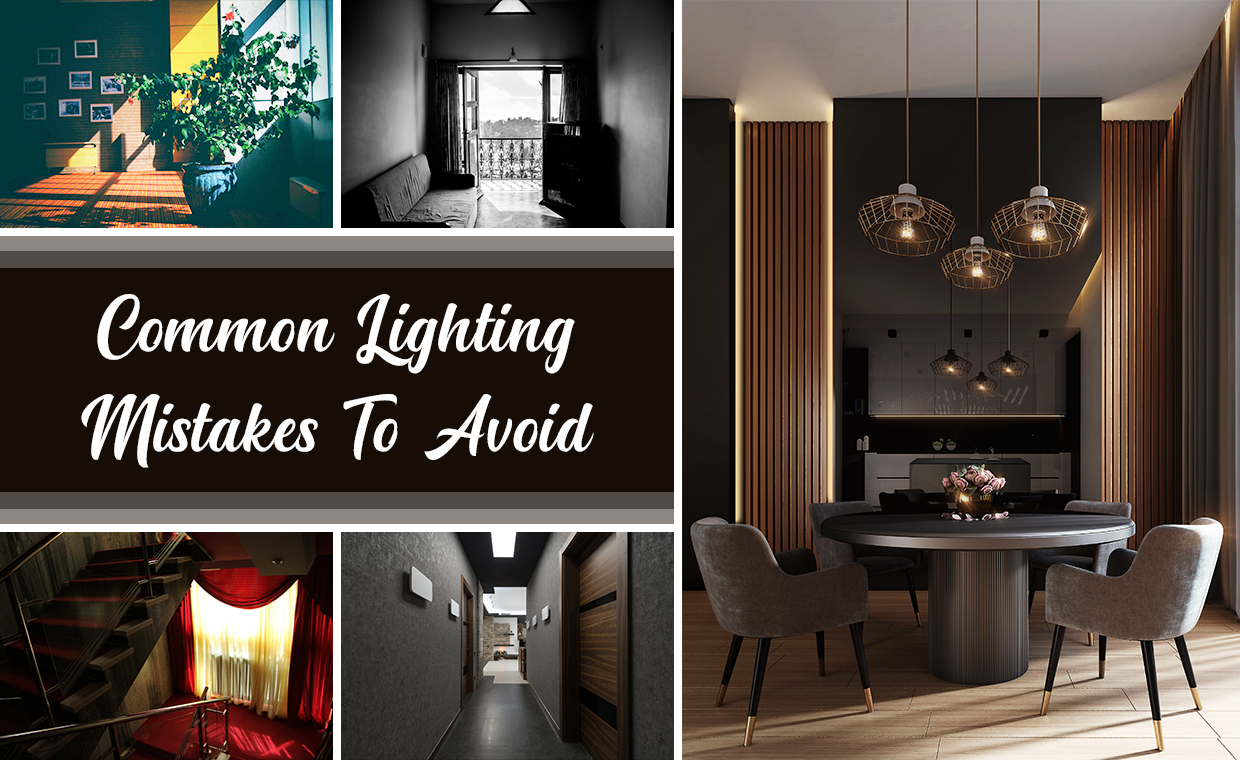
A well-planned interior can lose its charm when light choices fall short. Color palettes, furniture, and layout may feel right, yet the space can still appear flat or harsh due to poor illumination. Many homes face this issue without a clear awareness of the cause.
Design inspiration often comes from exploring lighting solutions at stores such as Lighting Design Store, where complete room setups reveal how thoughtful illumination shapes mood and comfort. Small missteps related to fixtures, placement, or tone often lead to big visual problems. The good news lies in simple awareness and thoughtful choices that protect the overall appeal of a room.
Poor Balance Between Light Sources
Relying on a single ceiling fixture creates dull or overly bright areas. A mix of sources helps maintain visual comfort and depth across the room.
Key areas that need layered light
- Ambient light for overall visibility
- Task light for work zones such as desks or kitchen counters
- Accent light to highlight art or architectural details
Balanced layers prevent flat spaces and reduce eye strain.
Fixtures That Clash With the Interior Style
A beautiful room can feel awkward when fixtures fail to suit the design theme. Oversized chandeliers in compact rooms or ultra-modern lamps in classic interiors create visual tension that feels unintentional.
Common fixture mismatches
- Industrial pendants in soft traditional spaces
- Ornate designs in clean, minimal rooms
- Heavy materials that compete with furniture finishes
Fixtures should support the visual story rather than distract from it.
Incorrect Color Temperature Choices
Light tone affects mood more than many realize. Cool tones can feel harsh in living areas, while warm tones may dull workspaces that require clarity. Warm white suits bedrooms and lounges due to their relaxed feel. Neutral white works well in kitchens and bathrooms where precision matters. Careful tone selection helps each room serve its purpose without discomfort.
Shadows That Distort the Space
Improper placement leads to harsh shadows on walls, counters, or faces. Downlights placed too close to walls often cause uneven patches, while poorly placed vanity lights create unflattering effects. Wall-mounted fixtures positioned at eye level reduce shadow buildup and provide even illumination. Balanced placement keeps surfaces clear and welcoming.
Overlooked Dimming Options
Fixed brightness limits flexibility. Without dimmers, rooms feel either too bright or too dull for certain moments. Adjustable brightness allows smooth shifts from daytime tasks to evening relaxation. Dimmers also extend bulb life and support energy awareness. A simple control upgrade can transform the atmosphere of an entire room.
Neglect of Natural Light Interaction
Window placement, curtain choice, and mirror use affect how daylight works with artificial sources. Blocking daylight with heavy treatments creates a gloomy feel even during bright hours. Sheer fabrics, reflective surfaces, and thoughtful lamp placement allow natural light to enhance the interior rather than compete with it.
One-Size Approach Across All Rooms
Each room serves a different role, yet many homes repeat the same fixture type everywhere. This approach overlooks comfort and usability. Bedrooms benefit from softer tones, kitchens demand clarity, and hallways gain warmth from gentle guidance light. Tailored choices create harmony throughout the home.
A Thoughtful Product Perspective
Many homeowners now rely on online lighting stores to explore complete solutions rather than isolated fixtures. Platforms like a Lighting Design Store often present coordinated collections that show how tone, scale, and placement work together across an interior. This approach helps avoid common mistakes while keeping the design cohesive and practical.
Light choices shape how every room feels and functions. Small mistakes can quietly undo thoughtful interior work. Awareness of balance, tone, placement, and purpose keeps spaces comfortable and visually strong. Careful planning leads to interiors that feel intentional and inviting. The right approach allows design elements to shine as intended.