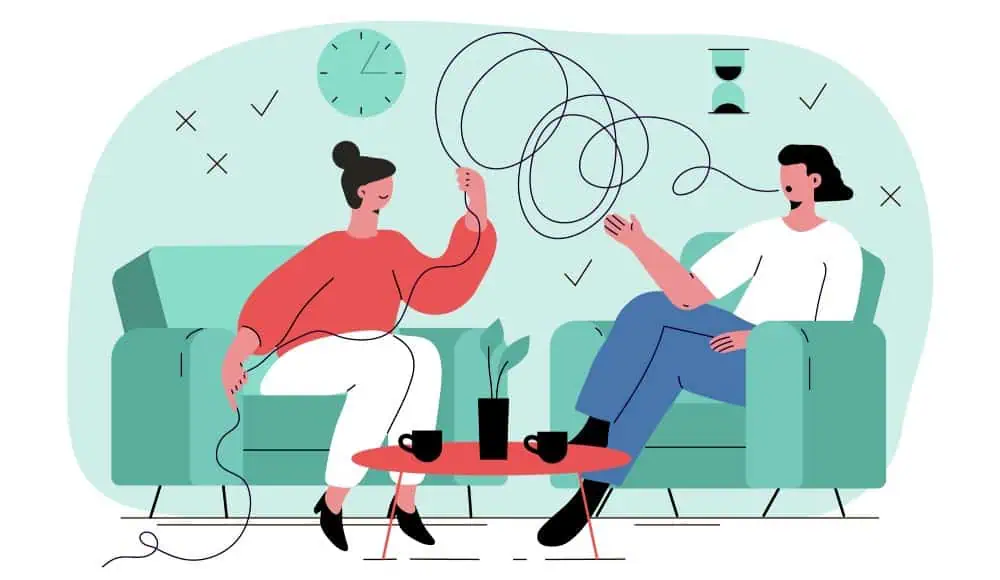
Despite any positive steps, in many areas, access to mental health services is still an ongoing issue. The cost of therapy can be a hurdle that stops people from entering into the financially taxing process of getting help. Sliding-scale therapy might address this issue by tying charges to income. This strategy provides a more affordable option for everyone to access mental health care.
Understanding Sliding-Scale Therapy
Sliding scale therapy is a pricing model that correlates with the patient’s income. This model enables people to pay only what they can afford, thereby removing financial barriers. When determining your fee scale, therapists will consider factors such as income, family responsibilities, and other financial obligations. By doing this, therapy remains an option at any time, regardless of what an individual can manage.
Benefits of Sliding-Scale Therapy
Sliding-scale therapy provides several advantages. First, it increases accessibility. Flexible payment options enable more people to participate in treatment without the added pressure of financial burden. By creating an inclusive service, they open the door for individuals from diverse backgrounds to access mental health care.
Second, it reduces stigma. Making therapy more affordable can break the stigma that mental health care is a luxury. If therapy is no longer the last frontier and is made accessible to all, it normalizes the act of seeking help. It allows people to recognize their health and respond to it more effectively.
Finally, a therapist with a sliding scale creates a sense of dignity and respect. Clients appreciate therapists considering their financial situation, which is a sign of respect. With this mindset, every person, regardless of their socioeconomic status, should have access to quality mental health care.
Challenges and Considerations
Sliding-scale therapy, like many aspects of life, has its pros and cons. They will always need to find the balance between providing affordable services while keeping their practice afloat. For those in private practice with limited funds, this can be exceptionally challenging.
Also, charging the right fees is not easy. Therefore, therapists need to estimate individual financial circumstances to determine an equitable payment. It can be a lengthy process that involves additional administrative work.
However, for most therapists, the benefits of working remotely far outweigh the challenges. Many professionals reduce their rates based on a sliding scale, simply seeing the opportunity to help underserved populations and wanting to do what they can to make a positive impact.
Finding Sliding-Scale Therapy
Finding professionals willing to charge on a sliding-scale basis is often a simple search away. Many directory services include professionals who provide this service, which allows individuals to find one nearby. There are some resources available in community mental health centers or non-profit organizations that often help individuals find therapy on a budget.
The online platforms can also become a powerful resource. Most websites offer a filter option to search for the fee structure, which allows people to find therapists according to their financial needs. These tools make it easy to reach low-cost mental health care.
The Role of Insurance
Although insurance can help alleviate the cost of therapy, not everyone has the luxury of adequate coverage. For individuals with no insurance, limited means to afford it, or those with limited coverage, sliding-scale therapy is often a better option. Everyone matters, and with flexible payment plans, therapists can reach those who would otherwise be unable to access treatment due to financial constraints.
People with insurance can also take advantage of sliding-scale therapy. It helps cover expenses that insurance doesn’t, such as co-pays or sessions after insurance coverage has expired. This arrangement helps prevent financial limitations from preventing ongoing care.
Conclusion
The sliding-scale way of therapy is a move closer to allowing people everywhere to seek mental health care. It adjusts fees to your ability to pay and removes roadblocks that would keep someone from asking for help. Even if it comes with some challenges, the advantages of this approach are considerable.
The more therapists who implement sliding-scale models, the more available and equitable mental health services are. In doing so, this paradigm shift amplifies not just the access to mental health services but also signifies a cultural change, which makes people aware of mental health and encourages them to take care of their mental health. Flexible payment options clear the path to give everyone access to mental health care when they need it the most.