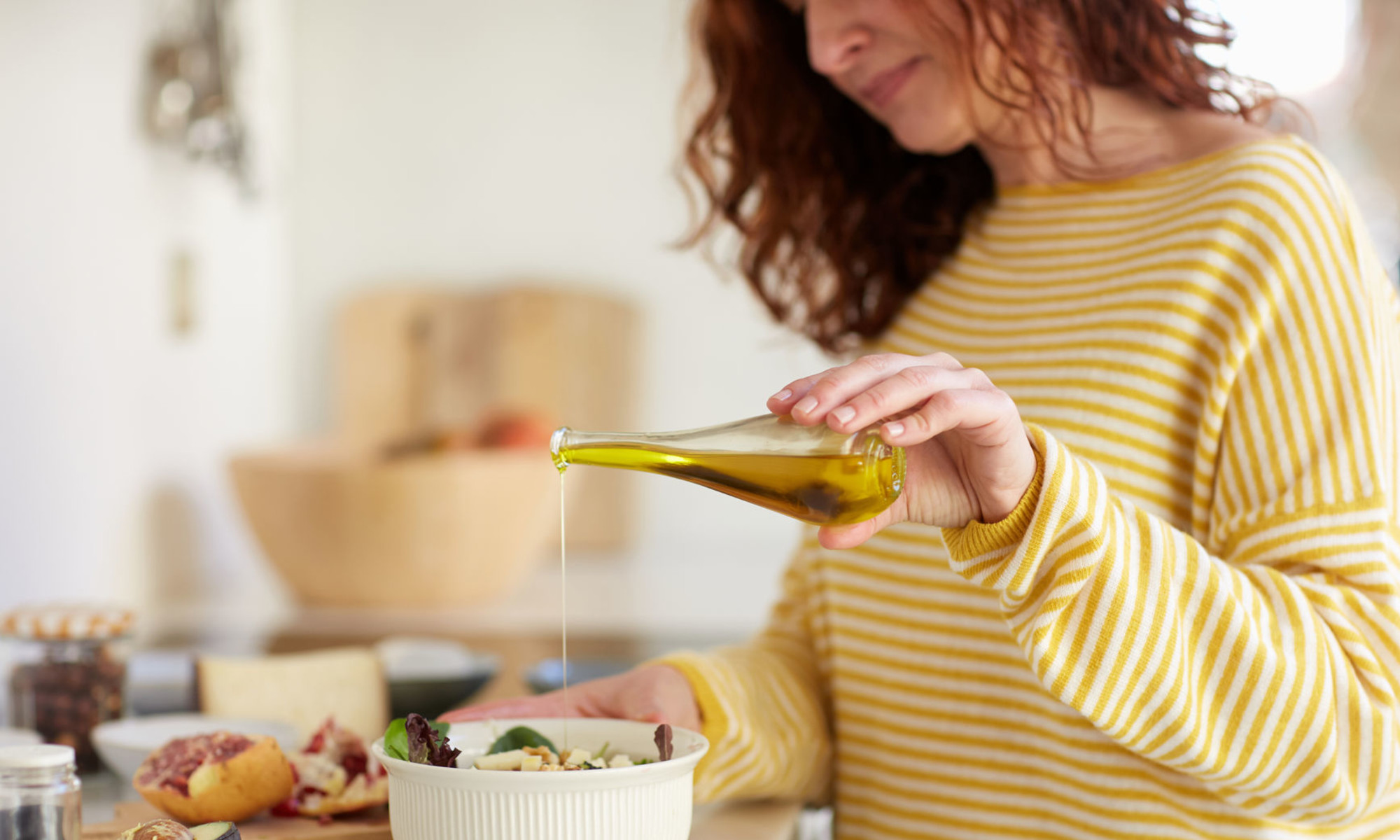
In the world of baking, oils are the unsung heroes that meld together the sweetness of dough or the richness of cake batter. And when it comes to choosing the right oil for your baking endeavors, olive oil has long stood as a staple, known for its robust flavor and health benefits. However, with the growing emphasis on healthier eating, bakers are increasingly considering alternatives that can provide a beneficial twist without compromising on taste or texture.
This post dives deep into the world of baking oils, exploring nutritious Healthy substitute for olive oil in baking that can take your baked goods to the next level – nutritionally and gastronomically. We’ll investigate a range of oils, discuss their merits, and guide you through making the right choice for your next baking challenge.
The Rise of Health-Conscious Baking
Modern baking has seen a significant shift towards health-conscious practices. The testimony comes not only from the profusion of gluten-free, dairy-free, and vegan recipes but also from the widespread adoption of ingredients that offer more than just flavor – they offer a health boost.
As consumers become more informed about the impact of diet on health, bakers find themselves at the forefront of this culinary health revolution. People want their favorite treats to be more than mere indulgences – they seek baked goods that also supplement their diets with essential nutrients.
In response, it is vital for bakers to expand their horizon and experiment with ingredient substitutes that complement the nutritional profile of recipes. This includes re-evaluating the use of olive oil, a beloved ingredient that, though healthy, might not always be the best fit for every baking recipe.
The Quest for Substitutes
Not all baked items are made equally, and neither are the oils that go into them. Certain dishes demand specific oils for structural or flavor reasons, but these distinctions also offer opportunities for creativity and healthfulness.
Whether you’re making muffins, cakes, or cookies, understanding the nuances of baking oils is key. Substituting oils can change the texture, moisture content, and even the flavor of your final product. But when done thoughtfully, it can also upgrade the nutritional value.
Common consumer oils like sunflower, coconut, and avocado are all great candidates for healthier baking. But there are also lesser-known oils like grapeseed and flaxseed that offer unique benefits. In this guide, we’ll detail the specific advantages of these oils in baking scenarios, and offer practical tips for incorporating them into your recipes.
Exploring Nutritious Oil Substitutes
Sunflower Oil
Derived from sunflower seeds, this mild-flavored oil is known for its high smoke point and neutral taste. It’s a versatile substitute for olive oil, making it an excellent all-purpose choice for many baking recipes.
In terms of nutritional value, sunflower oil boasts high levels of vitamin E, an antioxidant that promotes healthy skin and fights inflammation. It also contains phytosterols, which support heart health.
When subbing sunflower oil for olive oil, start by using a small amount less. Sunflower oil is lighter and might require less quantity, but do so judiciously to maintain the desired texture of your baked goods.
Coconut Oil
Coconut oil has made a massive health-food splash in recent years, thanks to its medium-chain triglycerides (MCTs) that offer a quick source of energy for the body. In baking, its high saturated fat content means it’s solid at room temperature, which makes it an excellent substitute for butter in recipes where that consistency is desired.
Because of its subtly sweet coconut flavor, it’s particularly well-suited for treats like scones, shortbreads, and certain types of cake. When swapping for olive oil, keep in mind that coconut oil will solidify in cold ingredients, which can lead to differences in texture.
Avocado Oil
Produced from avocados, this oil is relatively new on the baking scene but rapidly gaining popularity due to its high smoke point and mild flavor. With monounsaturated fats and a rich vitamin profile including B5, B6, and potassium, avocado oil is a heart-healthy option that can also contribute to better skin and vision.
In baking, avocado oil’s neutrality and moisture-retaining qualities make it an adaptable substitution for olive oil. Try using it in baked goods that call for a softer, moister texture, ensuring an even healthier pastry at the end of your baking adventure.
Flaxseed Oil
A high alpha-linolenic acid content in flaxseed oil makes it a champion of the essential omega-3 fatty acids, crucial for heart and brain health. Its delicate, nutty flavor can complement whole-grain baking recipes or those with a robust spice profile.
Because flaxseed oil is best used unheated, it’s not ideal for all baking. However, in recipes that can accommodate a no-heat addition of oil, flaxseed oil can be a nutritional powerhouse addition.
Grapeseed Oil
Light and almost flavorless, grapeseed oil makes for a fantastic substitute in recipes where you don’t want the oil taste to interfere with the final product. Like sunflower oil, it has a high smoke point, so it’s great for high-temperature baking needs.
Rich in polyunsaturated fats and vitamin E, grapeseed oil is also beneficial for the heart and skin. Its slightly astringent taste can enhance the flavor of certain baked goods without being overpowering.
Practical Tips for Baking with Substitutes
Maintain the right balance: Substituting oils can alter the texture of your baked goods, so it’s a good idea to start by using a little less of the substitute than the olive oil called for in the original recipe. You can always add more if needed, but you can’t take it out.
Consider the consistency: The way different oils react with the other ingredients in your recipe can affect the final consistency. Be prepared to adjust other liquid or dry ingredients as necessary to compensate.
Mind the flavor: Some oils have distinct flavors that can alter the taste of your baked goods. While this is often a delightful change, it might not work in every recipe. Ensure that the flavor profile of your oil substitute aligns with your dish.
Temperature control: Remember that oils with different chemical components will behave differently at various temperatures. Be mindful of this when preparing your batter or dough – especially with oils like coconut that can change states.
Experiment and record: The best way to find out what works is to try different oils in your favorite recipes. Keep a baking journal to record not only the results but the personal taste of your testers. This will help you build a library of go-to substitutions.
The Verdict: A Healthier Approach to Baking
While olive oil continues to shine in many culinary applications, the widening array of high-quality oil alternatives presents an exciting opportunity for a more holistic approach to baking. By using oils rich in beneficial nutrients, you can transform baked goods from mere comfort foods to delicious supplements that contribute to your overall health.
Healthier baking doesn’t have to mean compromising on flavor or texture. With the right choice of oil substitutes and a dash of creativity, you can whip up treats that are as enjoyable to eat as they are beneficial to your well-being. Discover the world of healthy oils and start your baking exploration today – your taste buds and your body will thank you.