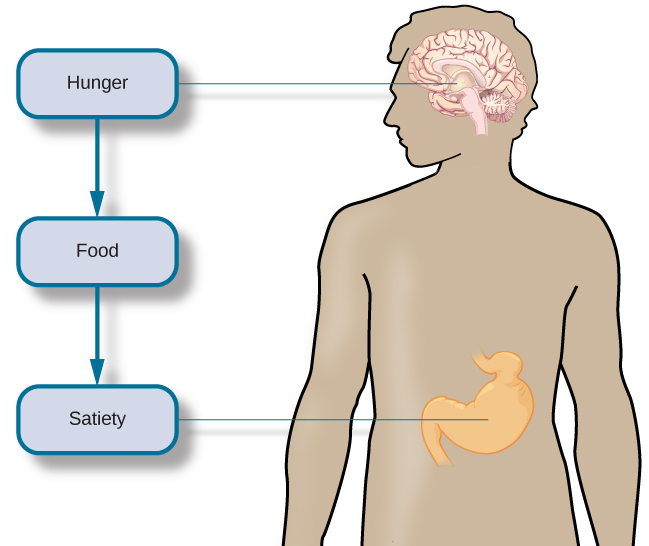
Fasting and GLP-1 medications are often used for weight management and blood sugar control, but how do they interact? Whether you’re on Ozempic or another GLP-1 agonist, understanding how fasting impacts hunger and satiety can help you make smarter choices. This guide explains how these medications work with (or against) different fasting strategies, what it means for your health goals, and what to consider if you’re planning to buy Ozempic as part of your treatment plan.
What Are GLP-1 Medications?
GLP-1 medications, such as Ozempic, mimic the hormone glucagon-like peptide-1. This hormone slows digestion, reduces appetite, and improves insulin response. As a result, many people using these medications experience reduced hunger and find it easier to control their food intake, making them especially effective for those managing type 2 diabetes or trying to lose weight.
How Fasting Works
Fasting involves voluntarily abstaining from food for a specific period. Common types include intermittent fasting (16:8 or 5:2) and extended fasting periods. The main goal is to reduce calorie intake, regulate blood sugar, and improve metabolic health. But when you’re also taking a GLP-1 medication, fasting can feel very different. Many people who buy Ozempic find that fasting becomes easier due to reduced appetite and longer-lasting satiety.
Why GLP-1 Medications Reduce Hunger
These medications work directly on the appetite centers in the brain and slow gastric emptying. That means food stays in your stomach longer, making you feel full for extended periods. For those who fast, this can make the process easier, especially when hunger typically spikes in the early hours of a fast.
Fasting on GLP-1: What to Expect
Fasting while on a GLP-1 medication isn’t the same as fasting without support. These meds completely change the hunger experience—dulling cravings, extending satiety, and altering how your body reacts to food when you break your fast. Here’s what to be ready for:
Less Intense Hunger Pangs
Because GLP-1 meds reduce appetite, many people report that fasting feels more manageable. The usual hunger pangs during a fast may be blunted or completely absent. Those who buy Ozempic often find they can go longer without eating because of these appetite-suppressing effects.
Extended Satiety Post-Meal
After eating, the fullness effect from GLP-1s tends to last much longer. This works well with time-restricted eating windows because you may only need one or two meals to feel satisfied throughout the day.
Potential for Nausea
On the flip side, some people experience nausea when combining fasting with GLP-1 medications. Skipping meals can worsen this, especially if your first meal back is large or high in fat. Stick to lighter, balanced meals to reduce the risk.
Ideal Foods to Break a Fast
When it’s time to eat, the type of food you choose matters. Break your fast with nutrient-dense options that are easy on your digestive system. Focus on high-protein, high-fiber meals that promote fullness and support stable blood sugar.
Can Fasting Boost Results from GLP-1 Medications?
For some people, yes. When combined safely, fasting may amplify the weight loss effects of GLP-1 meds by reducing overall calorie intake even further. It can also promote insulin sensitivity. However, listening to your body and consulting a healthcare provider before mixing extended fasting with medication is essential.
Tips for Fasting While on GLP-1 Medications
Pairing fasting with a GLP-1 can be effective, but requires a few extra considerations. These tips can help you fast safely and comfortably while getting the most from your medication:
Start Gradually
Suppose you’re new to fasting, ease in with shorter windows (like 12:12) before trying 16:8 or longer fasts. Let your body adapt to both the medication and the timing changes.
Stay Hydrated
GLP-1 medications can slow digestion, and fasting reduces fluid intake from food. Drinking plenty of water helps relieve constipation, fatigue, and dizziness.
Don’t Skip Protein
When you break your fast, include high-quality protein to preserve muscle mass and enhance satiety. This is key to staying full and avoiding rebound eating later. Focus on protein foods for healthy meals and snacks like eggs, lean meats, Greek yogurt, tofu, or legumes to support your goals.
Watch for Side Effects
Pay attention to nausea, fatigue, or dizziness if symptoms become frequent or intense, scale back the fasting schedule, or consult a provider.
Where to Buy Ozempic Online Safely
Many people look for ways to buy Ozempic online safely, especially to avoid high local pharmacy costs. When choosing an online pharmacy, make sure it is licensed, requires a valid prescription, and offers secure shipping. Be cautious of any site claiming to sell Ozempic without verifying your medical history.
Wondering where to buy Ozempic without prescription? It’s crucial to understand that legitimate providers will always require a prescription to ensure your safety. While some websites may advertise no-prescription sales, these are often illegal or risky sources that could compromise your health.
Conclusion
Fasting and GLP-1 medications can complement each other when used wisely. While these medications make fasting easier by curbing appetite, combining both approaches requires attention to how your body reacts. Stay hydrated, break fasts with balanced meals, and always consult your doctor before changing your routine. This combo can be a decisive step toward better metabolic health.
If you decide to buy Ozempic today, choose a trusted source. The key is to work with a legit Ozempic pharmacy that requires a proper medical evaluation to ensure safety and effectiveness.
Frequently Asked Questions (FAQs)
Can I fast while taking Ozempic?
Yes, many people do. Start with shorter fasting periods and monitor how your body responds.
Will fasting increase the side effects of Ozempic?
It can, especially nausea or fatigue. Eating balanced, light meals when breaking a fast can help.
Is it safe to combine intermittent fasting with Ozempic?
Yes, but it may increase side effects like nausea. Always check with your doctor first.