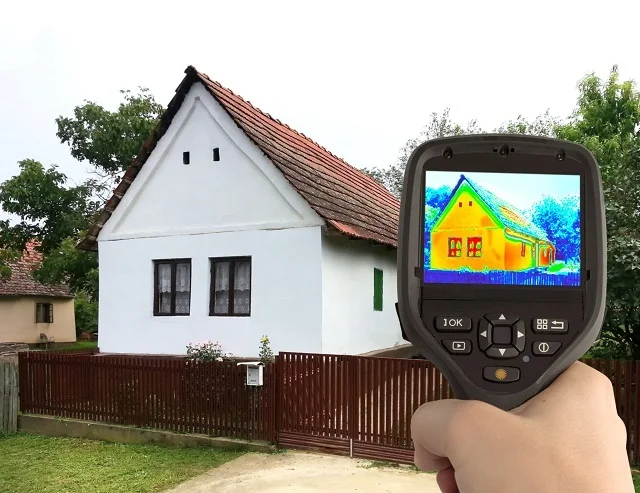
Infrared sensors operate by detecting movement through heat signatures. This capability makes them vital for motion detection in security and healthcare, ensuring accurate real-time assessments while minimizing false alarms.
The distinct sensitivity of infrared technology to temperature fluctuations enables effective detection, even under challenging conditions where traditional sensors often fall short.
By integrating infrared sensors into smart energy systems, businesses can significantly cut energy consumption in buildings. These sensors effectively identify occupied areas, optimizing HVAC operations and leading to considerable cost savings.
Within the healthcare sector, infrared sensors facilitate contactless monitoring of vital signs, allowing remote assessments while upholding strict hygiene standards.
Enhanced security systems utilize infrared sensors for reliable threat detection, even in low-light or poor visibility situations, effectively decreasing false alarms triggered by non-human factors.
To maximize performance, careful placement and calibration of infrared sensors are critical. This process necessitates taking environmental factors, such as heat sources and reflective surfaces, into account.
Integrating infrared sensors into existing systems can be seamless with thorough compatibility evaluations and pilot testing, ensuring an effective transition and technology use.
Contents
- 1 Unleashing the Power of Infrared Sensors for Precision Detection
- 2 Exploring the Versatility of Thermal Infrared Sensors
- 3 Enhancing Safety and Security with Advanced IR Solutions
- 4 Optimizing Performance: Best Practices for Implementing Infrared Sensors
- 5 FAQ
- 5.1 What types of environments are most suitable for infrared sensor installation?
- 5.2 Can infrared sensors be integrated with smart home technologies?
- 5.3 What maintenance is required for infrared sensors?
- 5.4 How can infrared sensors improve energy efficiency in buildings?
- 5.5 Are infrared sensors effective in preventing theft or vandalism?
- 5.6 What industries are seeing the most benefit from infrared sensor technology?
- 5.7 How do infrared sensors compare to traditional motion detection systems?
- 5.8 What should organizations consider before implementing infrared sensor technology?
- 6 Useful Resources
Unleashing the Power of Infrared Sensors for Precision Detection
Why IR Sensors Are the Future of Motion Detection
Infrared sensors are increasingly recognized as the foundation of modern motion detection systems. By utilizing heat signature detection, they can effectively identify movement. Their ability to distinguish between warm bodies and cooler backgrounds positions these sensors as essential across various sectors, including security and healthcare. Professionals recognize that their strength lies in real-time detection, minimizing false alarms while maximizing response precision.
The evolution of infrared technology is an ongoing process that consistently pushes boundaries. As applications expand, IR sensors are being incorporated into smart home systems, commercial surveillance, and automotive safety features. They address a fundamental need: dependable detection without the complexities tied to traditional methods. Can any competing technology match this level of accuracy?
Key Advantages of Utilizing Infrared Technology
The advantages of infrared sensors are remarkable and hard to ignore. For starters, they provide high sensitivity to temperature changes, enabling identification even in challenging environments where standard sensors may struggle. However, it’s not just about their capacity to detect heat; the versatility of infrared technology is noteworthy. For several key reasons, businesses frequently choose IR sensors:
- Non-contact detection: Vital for monitoring spaces without physical constraints.
- Cost-effective: Generally requiring less maintenance than alternative systems.
- Adaptability: Suitable for a wide range of applications, extending their utility.
Research indicates that IR sensors can significantly reduce energy consumption in buildings by detecting areas that are occupied. Through integration with smart energy systems, companies can enhance HVAC operations and realize substantial savings on utility expenses.
Exploring the Versatility of Thermal Infrared Sensors
Applications Across Industries: Where Infrared Sensors Shine
Infrared sensors hold promise beyond security; they’re making transformative impacts across various sectors. From industrial manufacturing to medical diagnostics, their utility shines through in multiple applications. The technology has established its presence in:
- Healthcare: Monitoring vital signs of patients without direct contact.
- Aerospace: Providing reliable temperature assessments for aircraft and machinery.
- Building automation: Enhancing the energy efficiency of heating and cooling systems.
For example, in healthcare, infrared technology has revolutionized remote patient monitoring, granting clinicians the ability to assess patients without physical touch. This capability is invaluable, especially in settings where cleanliness is of utmost importance.
Real-World Use Cases: Success Stories of IR Integration
Consider commercial buildings fitted with thermal infrared sensors. Some facilities report energy savings of up to 30% by employing IR technology in their HVAC systems. Automated adjustments based on occupancy yield tangible advantages—not only in cost savings but also in terms of environmental impact.
“The integration of thermal infrared sensors into building management systems is not just a trend; it’s a necessity for the future of energy efficiency.”
Similarly, industries are seeing a shift with IR sensors used for predictive maintenance. By identifying overheating components, organizations can address potential issues proactively before they lead to expensive downtimes. This is more than an upgrade; it’s significant for operational efficiency.
Enhancing Safety and Security with Advanced IR Solutions
Proactive Threat Detection with Thermal Sensors
In the realm of security, the non-contact features of infrared sensors are invaluable. Traditional methods often struggle in low-visibility or extreme conditions, but infrared technology proves reliable exactly when it’s needed. Systems equipped with these sensors can detect movement and pinpoint potential threats, even in complete darkness.
Additionally, thermal sensors can distinguish between human bodies and other objects. This capability significantly minimizes false alarms that might be triggered by animals or environmental elements. Many businesses discover the advantages of implementing multilayered security strategies, seamlessly layering infrared solutions with conventional security measures to ensure optimal protection.
- Access control: IR sensors can easily integrate with smart locking mechanisms.
- Surveillance cameras: Enable enhanced capabilities for night vision.
- Automated alarms: Trigger immediate responses when threats are detected.
This layered approach not only bolsters security but also improves employee safety. From warehouses to office spaces, the ability to monitor unseen threats fosters a more secure workplace environment.
Maximizing Response Times: Infrared’s Role in Security Systems
When it comes to incident response times, every second counts. Effectively incorporating infrared sensors into existing security frameworks can facilitate near-instantaneous reactions. A vigilant system keeps would-be intruders on high alert. Businesses can typically achieve a shorter duration for threat assessments, translating to better overall safety metrics.
First responders stand to gain from this technology, too. During emergencies, real-time data from infrared sensors can pinpoint areas that may harbor hidden risks. This clarity can make the difference between prompt action and delays.
“Integrating thermal infrared sensors into security frameworks is not a luxury; it’s a vital investment.”
Optimizing Performance: Best Practices for Implementing Infrared Sensors
Critical Considerations for Sensor Placement and Calibration
The effectiveness of infrared sensors depends heavily on strategic placement and precise calibration. Overlooking these factors may lead to diminished performance. Optimum positioning guarantees comprehensive coverage and reduces blind spots. A few considerations include:
- Height matters: Install sensors at ideal heights to minimize interference and optimize coverage.
- Angle adjustments: Fine-tune angles according to the monitored environment.
- Regular recalibration: Maintain accuracy through consistent checks.
Experts highlight the importance of conducting environmental assessments prior to installation. Factors like heat sources and reflective surfaces can markedly affect sensor efficiency. Therefore, grasping the surroundings is essential for maximizing performance.
Integrating with Existing Systems: A Smooth Approach
The integration of infrared sensors into established systems doesn’t need to be cumbersome. On the contrary, it can be a fluid operation when approached correctly. First, assessing compatibility with existing technologies is key. Whether it’s merging with alarm systems or building automation setups, ensuring cohesion will foster better results. Professionals often recommend conducting pilot tests before undertaking full installations. Testing in practical conditions can yield insights on how well the sensors will perform within an operational framework.
Furthermore, training staff on best practices for using these systems enhances effectiveness. Installation is just one piece of the puzzle; empowering users to leverage technology to its fullest ensures alignment and amplifies safety and efficiency.
By embracing thermal infrared sensors, organizations welcome the prospect of considerable advancements. The capacity to detect, monitor, and respond to various situations with unmatched precision paves the way for a future in which safety and efficiency become intertwined within daily operations. As technology continues to evolve, so will the applications—and effectiveness—of infrared sensors.
FAQ
What types of environments are most suitable for infrared sensor installation?
Infrared sensors thrive in diverse settings, especially where visibility is low or conditions are severe. They excel in healthcare environments, industrial settings, and outdoor locations, effectively detecting movement despite weather-related challenges or limited lighting.
Can infrared sensors be integrated with smart home technologies?
Absolutely. Numerous homeowners are now integrating infrared sensors with smart home systems to bolster security and manage energy usage. By connecting these sensors to smart alarms and thermostats, users gain automated control alongside real-time updates about their home environments.
What maintenance is required for infrared sensors?
Infrared sensors are designed to be low-maintenance, though they benefit from regular recalibration to maintain consistent accuracy. Conducting periodic checks for dust, obstructions, or misalignments can keep these systems operating at their best. Routine assessments are crucial in preventing potential failures.
How can infrared sensors improve energy efficiency in buildings?
Infrared sensors are adept at identifying occupancy and adjusting HVAC systems accordingly, potentially leading to significant energy savings. By recognizing unoccupied areas, businesses can reduce heating or cooling in those spaces, optimizing their energy consumption and decreasing utility costs.
Are infrared sensors effective in preventing theft or vandalism?
Yes, their proficiency in detecting movement in total darkness, combined with the ability to differentiate between human and non-human entities, significantly strengthens security measures against theft and vandalism. This functionality allows for proactive monitoring and quicker response times, enhancing overall safety protocols.
What industries are seeing the most benefit from infrared sensor technology?
Industries such as healthcare, manufacturing, aerospace, and commercial building management are all experiencing the advantages of infrared technology. Each sector leverages these sensors to enhance safety, energy efficiency, and operational effectiveness in unique ways.
How do infrared sensors compare to traditional motion detection systems?
Infrared sensors provide improved accuracy due to their capacity to detect heat signatures rather than relying solely on light or sound. This non-contact mechanism helps to reduce false alarms, offering a reliability that traditional systems often cannot match.
What should organizations consider before implementing infrared sensor technology?
Organizations ought to evaluate compatibility with existing systems, assess environmental factors, and determine the best placements for sensors. A comprehensive environmental analysis coupled with pilot testing can yield crucial insights, facilitating a successful integration that meets specific operational requirements.
