
Key Takeaways
- Personalized treatment plans enhance recovery outcomes for men.
- Incorporating technology offers accessible support and monitoring.
- Holistic approaches address physical, mental, and emotional well-being.
- Community and peer support systems provide essential encouragement.
- Employment and educational support facilitate long-term sobriety.
Introduction
Substance abuse among men presents unique challenges, requiring focused and innovative rehab methods for the best results. By employing new, evidence-based strategies, programs can provide more effective support, adapting to men’s specific needs throughout their recovery. This comprehensive approach is crucial as traditional one-size-fits-all models often fail to address personal triggers and foster sustainable wellness. Suppose you or a loved one is seeking flexible, person-centered care. In that case, Heartwood Recovery offers a modern blend of therapy, peer support, and holistic resources that represent the latest advances in addiction treatment.
The landscape for men’s rehabilitation is evolving, integrating technology, holistic well-being, and supportive environments into every stage of care. This ensures that every aspect of a man’s journey—from physical health to social reintegration—is considered in a coordinated and dignified way. With tailored guidance, supportive connections, and a focus on lasting achievements, men in recovery now have more resources than ever to guide them toward permanent sobriety and improved life skills.
Personalized Treatment Plans
Personalized treatment planning is at the core of successful substance abuse recovery for men. Rather than following generic models, top programs design each man’s care plan to reflect his history, mental health status, substance of choice, and the social factors influencing his addiction. By addressing individual motivators and barriers, such as trauma, anxiety, or family dynamics, personalized plans help to identify underlying causes of substance abuse and chart targeted paths to healing. Multidisciplinary teams—often including therapists, medical staff, and case managers—coordinate to make necessary adjustments as recovery unfolds, improving long-term engagement and success.
Leveraging Technology in Recovery
Recent years have seen a surge in digital health tools for addiction treatment. Mobile apps, teletherapy platforms, and online resource communities enable instant support, reminders for healthy habits, and on-demand connection with professional or peer assistance. Not only do these tools overcome barriers such as distance or stigma, but they also help track progress, manage cravings, and measure mood symptoms in real time. According to The New York Times, digital therapeutics present safe, flexible support that fits into clients’ everyday lives, strengthening the continuum of care both during and after formal rehab.
Holistic Approaches to Treatment
Beyond medical and psychological care, holistic strategies foster recovery by supporting the whole individual. This can include yoga for physical healing, mindfulness meditation for stress reduction, and art or music therapy to encourage healthy emotional expression. Many centers also offer nutritional counseling and fitness programs as part of overall health rebuilding. By supplementing traditional therapy with these holistic interventions, rehab programs acknowledge that addiction disrupts physical, mental, and emotional health simultaneously. This aligns with research from WebMD highlighting how holistic therapies improve engagement and satisfaction in treatment.
Community and Peer Support
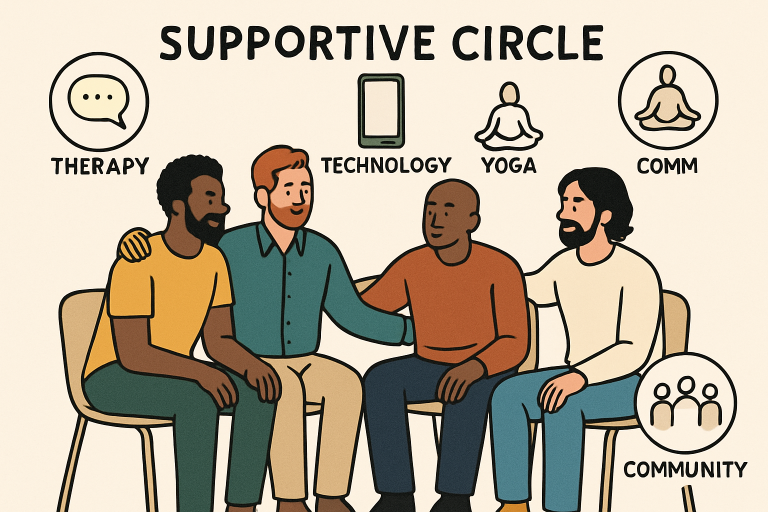
Strong support networks, both within the rehab facility and in the broader community, are essential to overcoming addiction. Peer support groups provide camaraderie, shared experiences, and practical encouragement, reducing feelings of isolation. Community-based resources, like sober living homes or alumni groups, further reinforce accountability and offer continued motivation. According to the Substance Abuse and Mental Health Services Administration (SAMHSA), peer support contributes to reduced relapse rates and helps men maintain a sense of belonging and identity post-rehab.
Employment and Educational Support
For many men, rebuilding a sense of self-worth and financial independence is part of regaining stability after rehab. Quality rehab programs now assist with job readiness, vocational training, and educational opportunities to help clients re-enter the workforce or pursue new goals. Services often include resume workshops, interview coaching, and connections to local employers or schools. Having structure and purpose is a powerful motivator and helps mitigate relapse risks tied to boredom, instability, or economic stress.
Addressing Co-Occurring Mental Health Disorders
Men with substance use disorders frequently experience concurrent mental health challenges such as depression, anxiety, or post-traumatic stress disorder. Integrated dual-diagnosis programs treat addiction and mental illness together, ensuring that both conditions receive the attention needed for sustainable recovery. This approach reduces the risk of one issue undermining the other, improving overall outcomes and supporting men in building healthier coping skills for the future.
Family Involvement in Recovery
Family involvement is a proven recovery enhancer for men in rehab. Through family therapy, education, and open communication, loved ones gain insight into addiction and acquire strategies to provide productive support. Such involvement breaks down stigma, rebuilds trust, and often strengthens a man’s motivation to stay sober. Programs like the Community Reinforcement and Family Training (CRAFT) model equip families to encourage treatment and create healthier home environments, fostering longer-term recovery for all involved.
Conclusion
Supporting men through drug and alcohol rehab means using adaptable, creative strategies that address the whole person—body, mind, family, and future. With customized care, technology, holistic therapies, robust communities, educational pathways, mental health integration, and family involvement, today’s programs are better equipped than ever to meet men where they are and guide them toward thriving, meaningful lives free from addiction.