When it comes to healthcare, trust is everything. Patients need to feel confident in the services they receive—not just in their quality of care but also in every interaction they encounter, including payment. Yet, many healthcare providers overlook how a transparent payment process can significantly impact patient trust.
Misunderstandings around billing and surprise charges are among the top frustrations patients face, leaving them skeptical and dissatisfied. Creating a clear and transparent payment system not only alleviates these issues but also strengthens the provider-patient relationship.
What does a transparent payment process look like, and why does it matter? This blog dives into practical strategies for enhancing payment transparency while demonstrating why building a trusted financial experience serves as an extension of quality patient care.
Contents
Why Payment Transparency Matters in Healthcare
Miscommunication Creates a Disconnect
Chances are, most of us have experienced unexplained medical invoices or ambiguous costs that appear long after a doctor’s visit. For patients, this lack of clarity feels not just inconvenient but alienating. According to a recent survey by Intuit Health, nearly 40% of patients cite confusing billing practices as a primary reason for mistrusting healthcare providers. Miscommunication around payment can result in dissatisfaction and even deter patients from seeking future care.
Builds Trust and Commitment
Transparent payment practices bridge the gap between providers and patients. Patients who fully understand payment terms, billing breakdowns, and pricing ahead of time are far less stressed about financial obligations, paving the way for stronger, more trusting relationships. This is especially critical for providers leveraging trusted telemedicine software for better patient outreach, where adaptability and clarity can make or break the interaction.
Key Benefits of Transparent Payment Processes
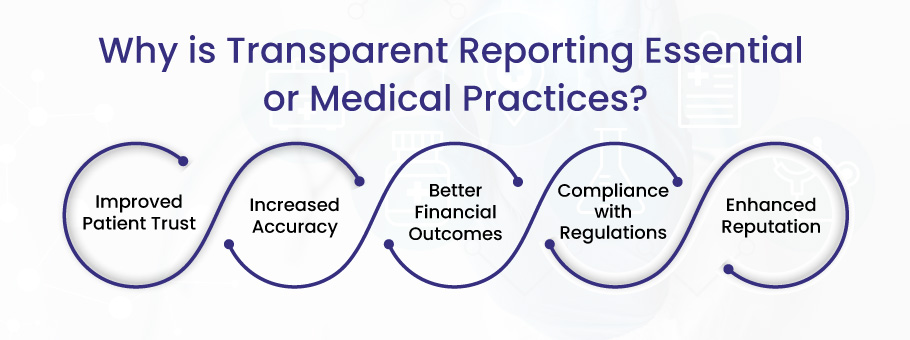
Enhances Patient Confidence
When patients know precisely what they’re paying for, they feel more confident about the services they’ve received. It removes doubts and creates an environment of openness and professionalism that bolsters their overall patient experience.
Reduces Billing Disputes
Clarity reduces room for discrepancies. Patients are more likely to pay invoices in full and on time when fees align with their expectations. Transparent billing reduces disputes and follow-ups, leading to better cash flow for healthcare providers.
Retains Patients and Improves Referrals
Satisfied, informed patients are more likely to return for future care and recommend services to friends and family. A smooth payment process, combined with exceptional service, increases your chances of earning long-term loyalty.
Best Practices for Establishing Transparent Payment Processes
1. Provide Real-Time Cost Estimates
Patients should never be in the dark about the potential costs of their care. Give patients access to real-time cost estimates for appointments, procedures, or treatment plans upfront. Platforms designed with patient-centered billing features can calculate insurance contributions, co-pays, and deductibles, providing greater financial clarity.
If you’re leveraging telehealth services, trusted telemedicine software for better patient outreach often integrates cost transparency tools. These allow patients to confidently access pricing details before committing to consultations.
2. Simplify Your Billing Statements
One common complaint about medical billing is its complexity. Simplify your invoices to make them easy for patients to understand. Use plain language, clear line-item breakdowns, and avoid technical jargon. Offer visuals, like charts or diagrams, to highlight where costs stem from.
3. Establish an Online Payment Portal
Digital payment portals are not merely a convenience; they also enhance transparency. Patients can view itemized charges, check their payment history, and set up automated payment plans if necessary. Additionally, accessible payment portals with educational popups ensure patients fully understand their financial obligations.
4. Communicate Payment Policies Clearly
Be upfront about your payment terms, cancellation fees, and refund policies. Include these details on your website, within patient agreements, and, if possible, as part of pre-care discussions with admin or medical staff. When policies are communicated clearly, misunderstandings are less likely to arise.
5. Break Down Costs for Telemedicine Services
Telemedicine providers face a unique opportunity (and challenge) in implementing transparent payment processes. Since virtual care removes much of the in-office interaction, offering clear digital explanations of fees is essential. Tools such as in-app payment calculators or pre-consultation pricing suggestions remove ambiguities, elevating patient satisfaction with remote services.
Demonstrating Transparency as Value
Humanizing healthcare extends beyond empathetic patient interactions and successful diagnoses. It involves treating financial transactions as an integral component of care. When patients feel financially respected and informed, their perception of your practice significantly improves.
Additionally, research shows that cost transparency correlates positively with reputation within competitive markets. Across both traditional clinics and telemedicine platforms, institutions known for open pricing are perceived not only as more ethical but also as more patient-focused. This reputation attracts new patients while fostering loyalty within your existing patient base.
Taking the First Step Towards Clarity
Transparent payment processes are no longer a “nice to have” in healthcare. They’re an essential feature of building trust, improving operational efficiency, and providing outstanding patient experiences.
For healthcare professionals and organizations integrating trusted telemedicine software for better patient outreach, adopting clear payment policies should be a top priority.
Want to learn how your healthcare business can lead the way in patient-focused practices? Begin by reviewing your current billing approach and identifying pain points. From there, explore innovative digital tools capable of simplifying financial interactions, ensuring every patient interaction—from consultation to payment—is seamless and stress-free.
Start building patient trust today with transparent payments, and watch as clarity transforms the way your organization connects with the people you care for most.
