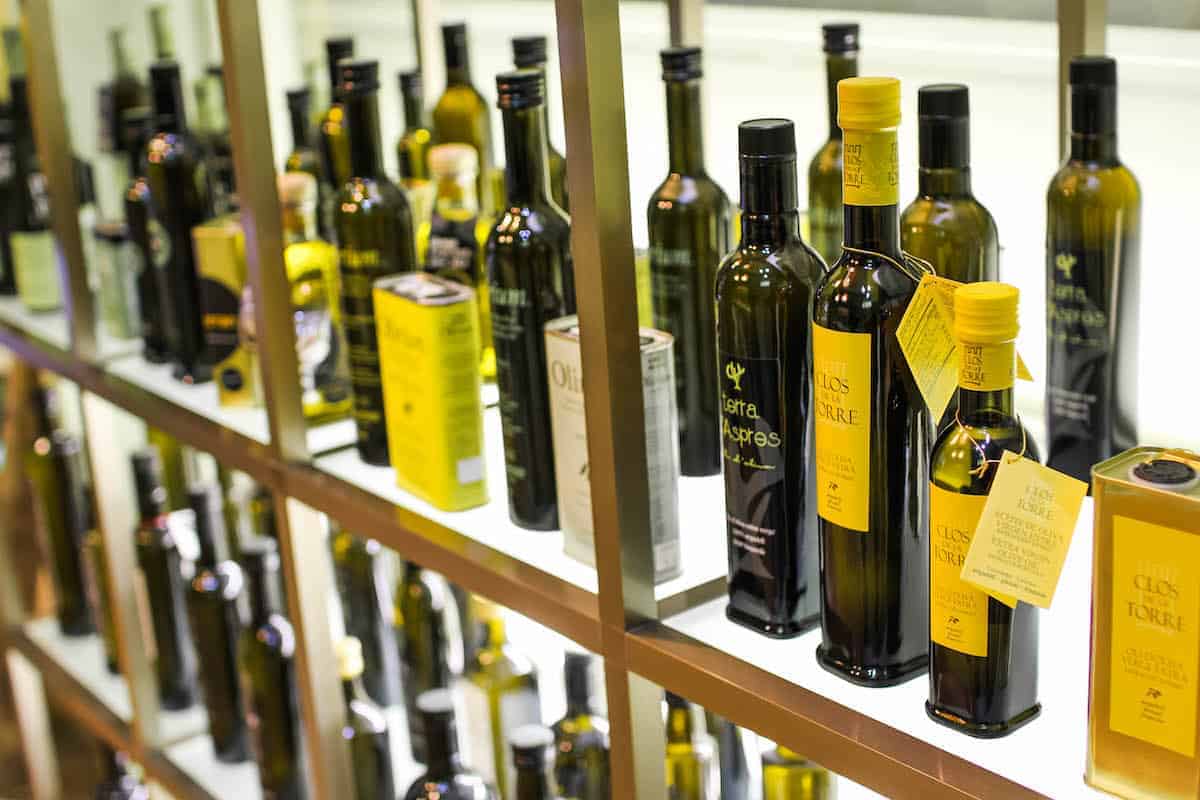
From the sun-drenched shores of Andalusia to the mountainous terrain of Catalonia, Spain’s olive oil is renowned for its quality, flavor, and diversity. Often referred to as “liquid gold,” Spanish olive oil is an essential component of the country’s rich gastronomic culture. But with a wide range of choices and numerous classifications, navigating the world of Spanish olive oil can be as daunting as it is delicious. In this comprehensive guide, we’ll take you on a flavorful tour of Spain’s best olive oils, helping you to distinguish the top varieties, understand their uses, and even explore hints of health benefits best Olive oil Spain. Whether you’re an amateur cook or a seasoned chef, there’s always something new to learn about these ancient elixirs.
The Roots of Spanish Olive Oil
Spanish olive oil has a history that stretches back to Roman times, when the cultivation of olives and olive oil production began in what is now modern-day Spain. The industry has grown from a local tradition to a global powerhouse, with Spain now being the largest producer of olive oil in the world, accounting for approximately 40% of global olive oil production. This remarkable growth has been accompanied by a dedication to preserving the authentic taste and a commitment to sustainable production.
Understanding Olive Oil Classifications
Before we dunk into the specifics of individual olive oils, it’s important to understand how olive oils are classified in Spain. The four primary grades of olive oil are extra virgin, virgin, refined, and pomace.
Extra Virgin Olive Oil (EVOO): The highest quality and most flavorful olive oil, EVOO is made from the first pressing of the olives without the use of heat or chemicals. It has an acidity level of less than 0.8% and is prized for its superior taste and health benefits.
Virgin Olive Oil: Also derived from the first pressing, virgin olive oil has a slightly higher acidity level (less than 2%) and a milder flavor compared to EVOO.
Refined Olive Oil: This is the olive oil that is refined through mechanical or chemical processes after the first press.
Pomace Olive Oil: Extracted from olive pomace, the solid remains of the olive after pressing, with the use of solvents and heat. It’s the lowest grade of olive oil and often used for frying and other cooking purposes.
Among these, EVOO and virgin olive oils are most sought after for their culinary value.
Welcoming the Varietal Stars
Picual: Hailing from Andalusia, the Picual varietal is the most widely planted olive type in Spain. It’s known for its robust, fruity flavor and a slightly peppery finish, making it incredibly versatile for both cooking and finishing dishes.
Arbequina: Originating from Catalonia, Arbequina olive oil is characterized by its mild, buttery flavor with hints of green almond and celery. It’s often used in vinaigrettes, marinades, and to create delicious pastries and desserts.
Cornicabra: Mainly cultivated in Toledo and known for its high content of oleic acid, this olive oil variety offers a fruity taste with a touch of bitterness, making it an excellent choice for those who love a bold flavor profile.
Hojiblanca: With a distinctive aroma and a slightly sweet, nutty flavor, Hojiblanca olive oil is a versatile option for both cooking and dressing dishes. It’s a staple of the Andalusian cuisine and is also often found in blends.
The Terroir Effect on Olive Oil
Similar to how the taste of wine can be influenced by the terroir (climate, soil, and topography), the same holds true for olive oil. A variety grown in one region can taste significantly different from the same variety grown elsewhere due to the terroir. For instance, olives grown closer to the sea may produce an oil with notes of salt or minerals, while those from inland regions can have a more peppery or herbal character.
Health Benefits of Spanish Olive Oil
Spanish olive oils are not just about their delightful taste; they also pack a punch in terms of health benefits.
Heart-Healthy Fats: The monounsaturated fats found in olive oil are believed to be a factor behind the lower rates of heart disease in Mediterranean regions.
Antioxidants: EVOO contains phenolic compounds, which act as antioxidants, reducing oxidative stress and inflammation.
Cancer Fighting Properties: Some studies suggest that the oleocanthal compound in EVOO may have anti-inflammatory and anti-cancer effects, though more research is needed in this area.
Choosing Spanish Olive Oils for Your Pantry
When selecting Spanish olive oil for your culinary adventures, it’s helpful to keep a few points in mind:
Tasting Notes: If you enjoy cooking, consider having a bottle of extra virgin olive oil with a robust flavor, such as Picual, alongside a milder one, for versatility.
Cooking Purpose: While EVOO is great for drizzling and lower-heat cooking, for higher temperature cooking, a top-quality virgin olive oil can be a better choice.
Pairing with Food: The right olive oil can enhance the flavors of your dishes. Experiment with pairings like a fruity Arbequina for seafood or a robust Picual for grilled meats.
Storing and Preserving Your Spanish Olive Oils
To maintain the quality and flavor of your Spanish olive oils, proper storage is crucial.
Light and Air: Store olive oil in a cool, dark place to prevent oxidation and rancidity. Opt for bottles with darker glass or opaque packaging.
Temperature Fluctuations: Extremes of temperature can affect the quality of the oil, so try to keep it at a consistent temperature.
Shelf Life: While olive oil doesn’t have an expiration date, its quality deteriorates over time, especially once opened. Aim to use your oils within a few months of opening for the best flavor.
Cultural and Culinary Experience with Spanish Olive Oils
To truly appreciate the culinary value of Spanish olive oil, consider the following experiences:
Visiting Olive Oil Mills: Many Spanish olive oil producers offer tours and tastings, providing insight into the production process and the chance to sample oils straight from the source.
Cooking Classes: Join a Spanish cooking class or workshop where you can learn how to use olive oil to prepare traditional dishes under the guidance of local chefs.
Tastings: Organize an olive oil tasting event with friends or colleagues, exploring the nuances between different Spanish oils and enjoying some delicious food pairings.
Conclusion
Spanish olive oil is more than an ingredient; it’s a cultural emblem and a window into the heritage of a nation passionate about food. By understanding the different varieties, their uses, and the health benefits, you can transform your cooking from ordinary to extraordinary. A bottle of the finest Spanish olive oil can turn a simple meal into a gourmet experience, elevating your dishes to new heights of flavor. Whether you are crafting a Mediterranean-inspired feast or simply looking to add a touch of Spain to your plate, the right olive oil will undoubtedly enrich your culinary repertoire.
Engage with the intricacies of Spain’s olive oils, and your palate will thank you for the sensory adventure you have embarked upon.