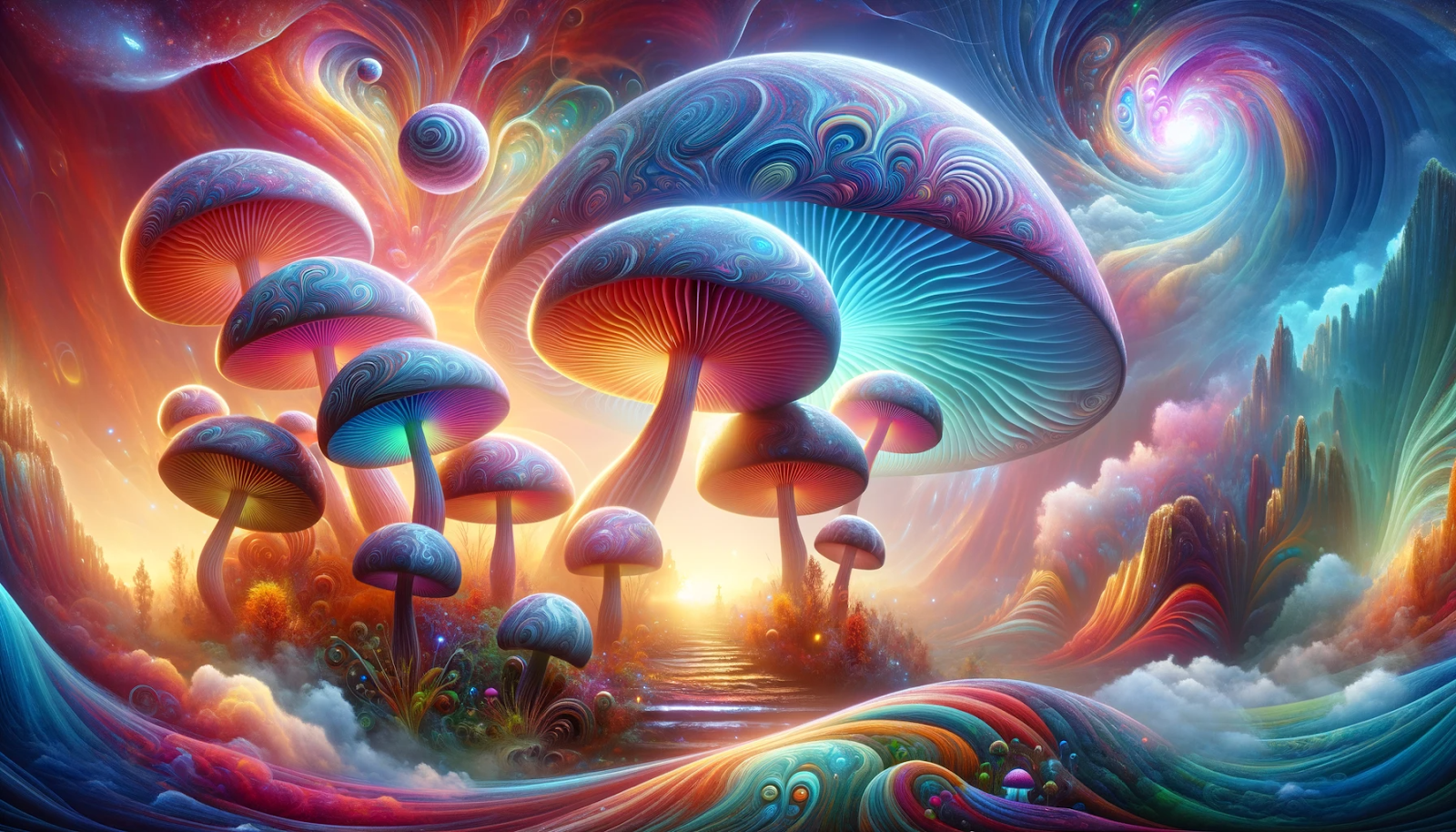
Magic mushrooms, also known as ‘shrooms’ or psilocybin mushrooms, have been a topic of interest for centuries, both for their psychedelic properties and their role in various cultural practices. In recent years, interest has grown, partly due to research exploring their potential therapeutic benefits. If you’re new to magic mushrooms, this beginner’s guide is designed to give you a balanced understanding of what they are, their effects, and important considerations.
What Are Magic Mushrooms?
Magic mushrooms are a type of fungus that contains psilocybin, a naturally occurring psychedelic compound. When ingested, psilocybin is converted into psilocin, which is responsible for the psychedelic effects. Over 180 species of mushrooms contain psilocybin, with Psilocybe cubensis and Psilocybe semilanceata being among the most common.
Historical Context
The use of magic mushrooms dates back thousands of years, with evidence of their use in ancient cultures in Mesoamerica for religious and spiritual rituals. In modern times, they gained popularity in the 1950s and 1960s during the counterculture movement. However, with legal restrictions coming into place in many countries, their use was pushed underground.
Effects of Magic Mushrooms
The effects of magic mushrooms can vary greatly depending on the dose, the individual’s mindset, and the environment in which they are consumed. According to ShroomsDelivery, common experiences include:
- Altered perception of time and space
- Vivid visual and auditory hallucinations
- Intense emotional experiences
- Sense of euphoria or wellbeing
- Spiritual or mystical experiences
However, not all experiences are positive. Users can also experience:
- Anxiety or paranoia
- Nausea
- Confusion and disorientation
- Distressing hallucinations (bad trips)
Therapeutic Use and Research
Recent research has been exploring the potential therapeutic benefits of psilocybin for conditions like depression, anxiety, PTSD, and addiction. Clinical studies have shown promising results, particularly in treating depression and end-of-life anxiety. However, it’s important to note that these studies are conducted in controlled environments with medical supervision.
Legality and Safety
The legal status of magic mushrooms varies significantly around the world. In some places, they are classified as controlled substances, and their possession, sale, or use is illegal. In others, they are decriminalized or legal for personal use. Always check the local laws before considering their use.

Regarding safety, while psilocybin is considered non-addictive and low in toxicity, there are risks, particularly for individuals with a history of mental health issues, like schizophrenia or bipolar disorder. It’s also crucial not to mix them with other substances, including alcohol and medication, as this can increase risks.
Responsible Use
If you decide to try magic mushrooms, here are some tips for responsible use:
- Know Your Source: Ensure your mushrooms are from a reliable source to avoid consuming toxic varieties.
- Start Small: Begin with a low dose to understand how your body reacts.
- Set and Setting: Your mindset (set) and environment (setting) significantly influence your experience. Choose a safe, comfortable environment and be in a positive mental state.
- Have a Sober Sitter: It’s wise to have someone you trust who remains sober and can assist if your experience becomes challenging.
- Stay Hydrated: Keep water on hand to stay hydrated.
- Avoid Mixing Substances: Mixing mushrooms with other substances can lead to unpredictable and potentially dangerous effects.
- Listen to Your Body: If you feel unwell or uncomfortable, don’t hesitate to seek medical help.
Conclusion
Magic mushrooms are a complex and fascinating subject. While they offer the potential for profound experiences and have shown promise in therapeutic contexts, they are not without risks. It’s crucial to approach them respectfully and cautiously and know the legal and health implications. As research continues to evolve, we may gain a deeper understanding of how these ancient fungi can be integrated responsibly into modern practices, whether for personal growth, spiritual exploration, or therapeutic purposes.
What Is The Recommended Dosage For Beginners?
When considering the use of psilocybin mushrooms (“shrooms”), it’s important to approach with caution, especially for beginners. The recommended dosage can vary significantly based on individual factors like body weight, metabolism, and personal sensitivity. For a first-time user, a very low dose, often termed a “microdose,” is typically suggested. This can range from 0.1 to 0.5 grams of dried mushrooms. Microdosing is intended to offer a subtle effect, providing an introduction to the substance without inducing a full psychedelic experience. It’s crucial to note that the use of psilocybin mushrooms is illegal in many places and can have unpredictable psychological effects.
How Long Do Magic Mushroom Effects Last?
The effects of magic mushrooms, primarily containing the psychoactive compound psilocybin, typically last between 4 to 6 hours, although this can vary depending on several factors. The onset of effects usually begins within 20 to 40 minutes of ingestion, reaching a peak at around 2 to 3 hours, and then gradually diminishing.
Factors influencing the duration and intensity of the effects include the dose, the individual’s body weight and metabolism, their emotional state, and the environment in which the mushrooms are consumed. It’s important to note that while the physical effects may subside, psychological effects can linger for days or even weeks, and the use of magic mushrooms can have unpredictable and potentially risky mental and physical health effects.
Can Magic Mushrooms Be Addictive?
Magic mushrooms, which contain the psychoactive compound psilocybin, are generally not considered addictive in the traditional sense. Unlike substances that cause physical dependency, such as opioids or nicotine, psilocybin does not typically lead to physical addiction or compulsive use.
There’s also a lack of evidence to suggest that it causes the same level of craving or drug-seeking behavior commonly associated with addictive substances. However, like many psychoactive substances, there is a potential for psychological dependency in some individuals, particularly if used frequently or in an attempt to escape reality.