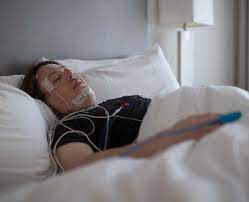

Obstructive Sleep Apnea (OSA) stands as a common sleep disorder marked by recurrent pauses in breathing during sleep, causing disrupted nights and daytime exhaustion. Encouragingly, effective treatments exist for those grappling with this condition. In this thorough examination, we embark on a comprehensive journey through various treatment options, encompassing lifestyle adjustments, positional therapies, the use of continuous positive airway pressure (CPAP) machines, and potential surgical interventions.
By exploring these avenues, individuals can find hope and practical solutions for managing OSA and regaining restful sleep and vitality in their daily lives. With a focus on restoring restful sleep and improving overall well-being, join us as we navigate the diverse landscape of OSA treatments, offering insights to help individuals regain control of their sleep quality and, consequently, their lives.
1. Lifestyle Modifications and Sleep Hygiene: Building the Foundation for Treatment
Initiating the management of OSA typically involves implementing lifestyle adjustments and adhering to sound sleep hygiene practices. This segment thoroughly examines the pivotal significance of factors such as maintaining an optimal body weight, refraining from alcohol and sedative use, and establishing a consistent sleep routine. By embracing these practices, individuals can mitigate the severity of their OSA symptoms and establish a robust basis for effective treatment measures.
2. CPAP Therapy: The Gold Standard in OSA Management
Continuous Positive Airway Pressure (CPAP) therapy is widely recognized as the foremost method for OSA management. This treatment employs a CPAP device that administers a continuous flow of air to ensure the airway remains unobstructed during sleep. Within this section, we delve into the intricate mechanics of CPAP therapy, its impressive track record in mitigating OSA symptoms, and the strategies individuals can employ to acclimate to and harness the substantial benefits of this essential treatment.
3. Exploring Dental Devices and Positional Therapy: Customized Solutions for OSA
For individuals seeking alternatives to CPAP therapy, dental devices and positional therapy offer customized solutions. This section delves into the use of oral appliances and positional techniques to address OSA. By examining their advantages, limitations, and suitability for different OSA cases, readers can gain insight into these tailored approaches.
4. Surgical Interventions: When OSA Demands a Lasting Resolution
In cases where OSA severity necessitates a more permanent solution, surgical interventions become a viable option. This segment explores various surgical procedures, including uvulopalatopharyngoplasty (UPPP), genioglossus advancement (GA), and bariatric surgery, highlighting their role in providing lasting relief from OSA symptoms and improving overall health.
5. Emerging Technologies and Alternative Therapies: New Horizons in OSA Treatment
Advancements in technology and alternative therapies are continuously reshaping the landscape of OSA treatment. This section discusses innovative approaches such as positional therapy devices, hypoglossal nerve stimulation (HNS), and lifestyle apps designed to monitor and manage OSA. By staying informed about these emerging options, individuals can explore new horizons in OSA treatment, tailoring their approach to their unique needs and preferences.
In the pursuit of restful sleep for those affected by Obstructive Sleep Apnea (OSA), the journey through “Effective Treatments for OSA” has been both enlightening and promising. From the fundamental importance of lifestyle modifications and sleep hygiene to the gold standard of CPAP therapy, and the nuanced approaches of dental devices, surgical interventions, and emerging technologies, the spectrum of treatment options is extensive. While each individual’s journey through OSA may differ, this exploration underscores the hopeful message that effective treatments exist, offering relief and improved quality of life. By seeking professional guidance and finding the right treatment path, individuals can indeed restore restful sleep and embrace brighter, more energized days ahead.