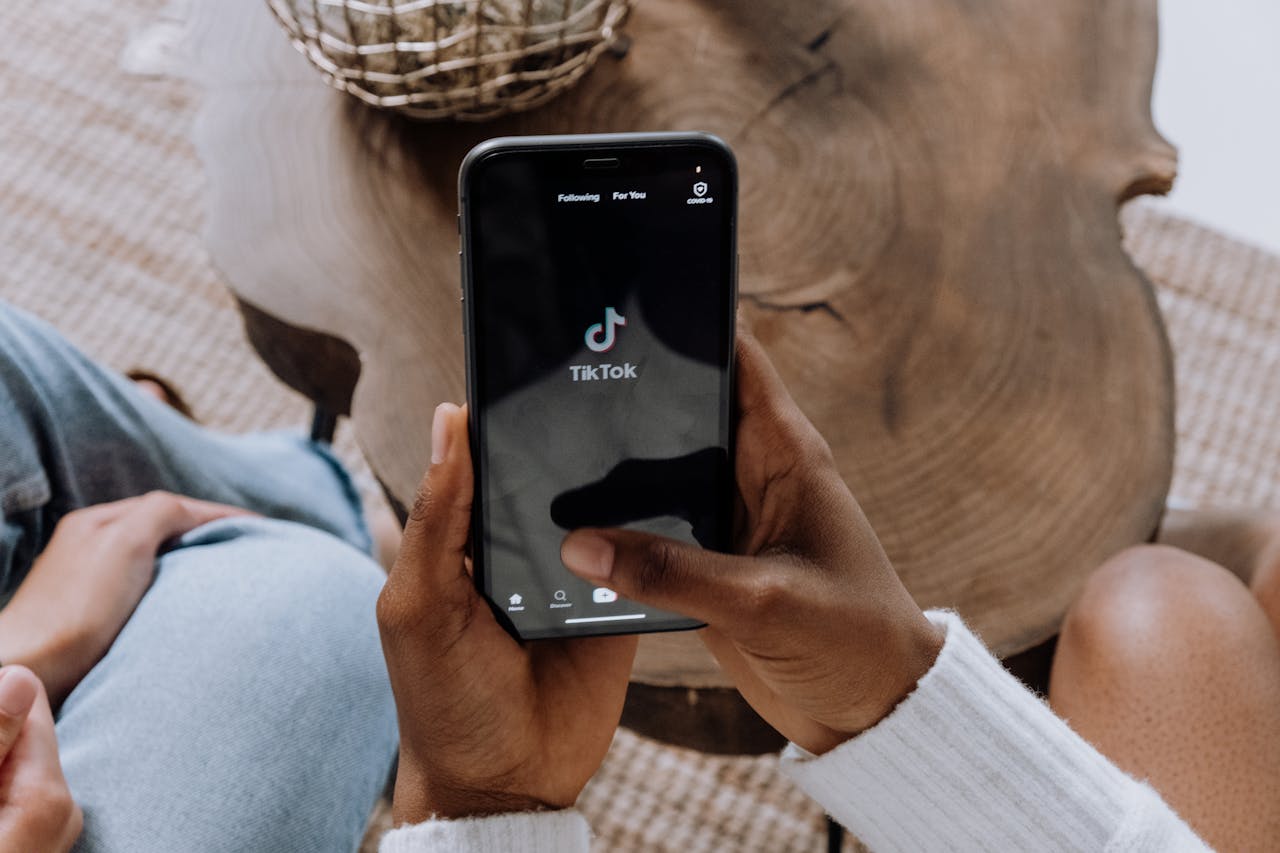
TikTok was launched only in 2017 and is already running the show in the social media industry. It is known for its video content, and users can upload and share videos on the platform.
It has to be noted that other sites have been in a position to do the same thing; however, none of them has been as revolutionary as TikTok. Native visual content on Instagram and Snapchat has been successful in its own right, as has X, but it has not been able to follow the competitor.
Why has TikTok revolutionized social media?
The latest data (as of August 2024) suggests that more than one billion users are active on the site each month. Although this may only place the platform fifth in terms of this metric, plenty of growth is expected regarding the number of users visiting the site by the end of the year.
Key demographic has been targeted
One reason for this could be because of the demographic that TikTok appeals to. Given that the content is video-based and can be about literally anything, most people who use the platform are thought to be between 18 and 34. Approximately 36.2% of its users fall into this category.
The age group demographic between 18 and 34 could be suggested to be the predominant users of social media, which is why it has started to revolutionize the way that social media is consumed. Millennials and Gen Z fit into this demographic and have grown up with technological advancements, with social media being a part of their daily lives. Those born in the Generation Alpha period (2013 and 2025) will likely use the platform as they have grown up with it.
Content is accessible, convenient, and personalized
People who log on to the platform are seeking entertainment or may be looking for content that can help educate them, whether that be with a skill or finding out about things that are happening in the world. Given that it can all be accessed on a smartphone immediately, the content is easy to consume conveniently.
TikTok has made content more digestible and personalized than other forms of social media. Videos are short and snappy, allowing people to view them without having to dedicate too much time. Attention spans have significantly lowered in recent years, with many switching off quickly if they aren’t interested within the first few seconds. At the same time, the algorithm that is used means closely related content can be viewed, making the experience more personalized.
It’s easy to create content
Social media has always been a place where people can share or upload content. The latter allows individuals to be creative and showcase their skills worldwide, especially when placed on TikTok, where videos can go viral with the right hashtags and content that people want to see.
People can show their creative side with the clips they create, showcasing how they can use TikTok stickers, subtitles, and other fun visuals to create an interesting and engaging video. They can also potentially benefit from their content if it does well, such as by earning revenues from it or gaining further exposure. This could lead to a means of a new career, which hasn’t always been possible through other social media channels.
TikTok has forced other social media platforms to change
To further understand TikTok’s impact on social media and how it has revolutionized the landscape, it’s possible to examine what its competitors have done to try to keep up.
YouTube and Instagram are two evident examples of platforms that have made changes. Both have implemented new video features that try to replicate the TikTok experience. YouTube created its ‘Shorts’ feature, while Instagram included ‘Reels’ as a rival. Both have been successful, but it seems TikTok remains ahead.
Will TikTok continue to revolutionize social media?
At this point, it’s perhaps a little difficult to know whether TikTok will continue to have the same impact on social media that it already has. However, there is no denying that it’s already been indelible.
With video-based content being king and the main demographic being those between 18 and 34, it does seem as though the platform has a winning formula in place—so much so that other platforms have copied it.
Changes in how content is consumed will happen in the future, as they always do, and it remains interesting to see how and if TikTok can keep up with them.