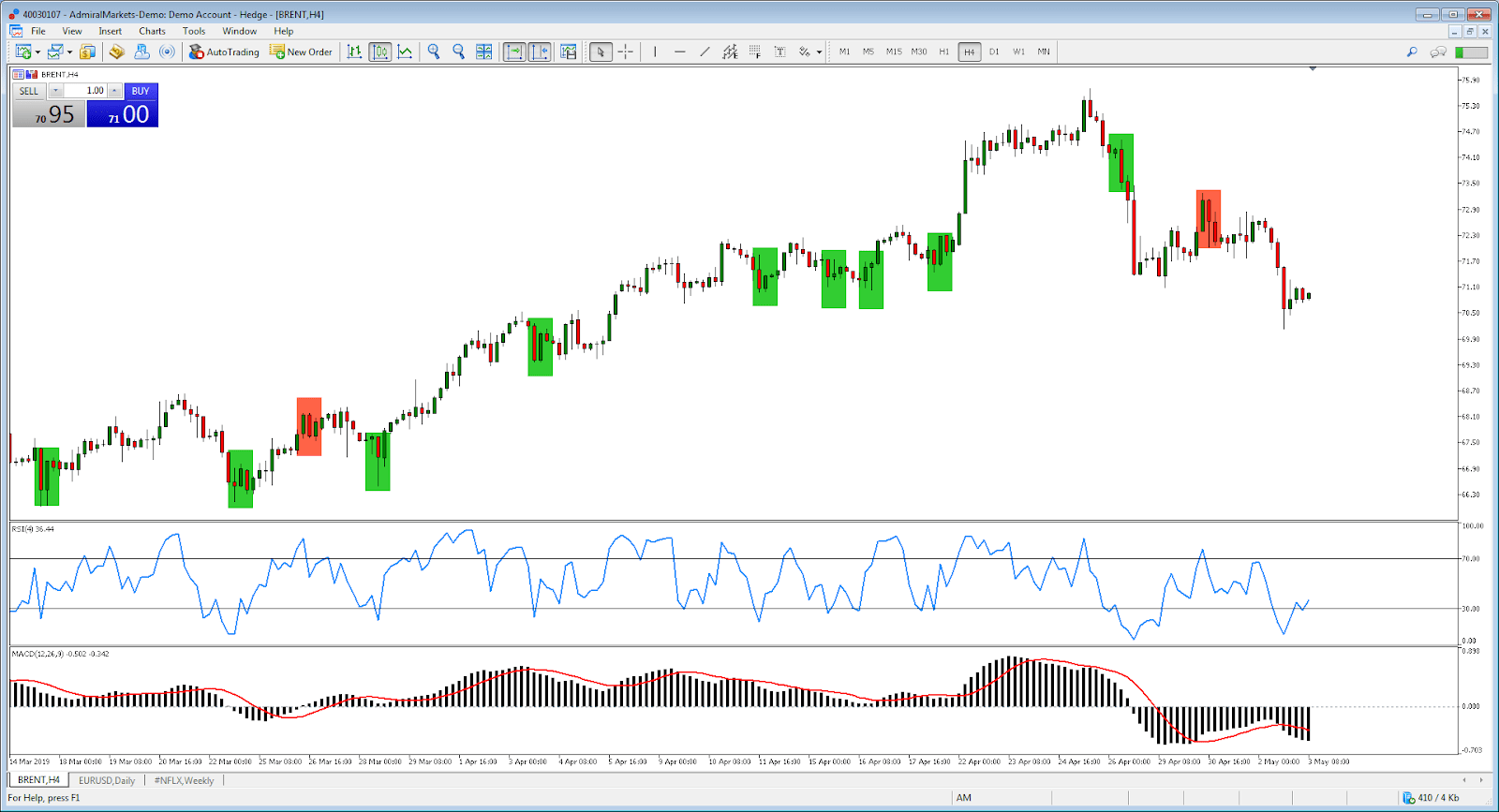
The global economy is intricately linked to the dynamic nature of the oil market, underscoring the significance of oil trading within the framework of global financial systems. Within this dynamic environment, the adoption of sound risk management practices, notably through hedging, emerges as a crucial element in effectively addressing the inherent uncertainties associated with oil trading. This article is dedicated to exploring the nuances of optimizing oil trading strategies by leveraging the efficacy of hedging techniques. Curious about optimizing your oil trading strategies? Connect with educational experts on Immediate Vortex through Oil Profit for valuable insights.
Understanding Hedging in Oil Trading
Definition and Concept: Hedging, in the realm of commodity trading, involves the use of financial instruments to offset potential losses from adverse price movements. In the oil market, where prices are susceptible to various external factors, hedging serves as a shield against volatility.
Forms of Hedging Instruments: Oil traders employ various instruments such as futures contracts, options, and swaps to hedge against price fluctuations. Each instrument comes with its own set of advantages and risks, requiring a nuanced understanding for effective implementation.
Historical Perspective: The evolution of hedging practices in the oil industry has been shaped by historical events. From the oil shocks of the 1970s to the more recent geopolitical tensions affecting oil prices, examining historical trends provides valuable insights into effective hedging strategies.
The Mechanics of Oil Price Volatility
Factors Influencing Price Fluctuations: Oil prices are influenced by a myriad of factors, including geopolitical events, supply-demand dynamics, and macroeconomic indicators. Understanding these drivers is essential for predicting and mitigating potential price volatility.
Historical Volatility Patterns: Analyzing historical volatility patterns helps traders identify trends and potential risk scenarios. By studying past movements, market participants can develop informed strategies to navigate future uncertainties.
Impact of Macroeconomic Indicators: Macroeconomic indicators such as GDP growth, inflation, and interest rates exert a significant influence on oil prices. A comprehensive analysis of these indicators is crucial for anticipating market trends and making informed hedging decisions.
Case Studies: Successful Hedging Strategies
Real-world Examples: Examining successful case studies provides practical insights into the application of hedging strategies. Companies that have effectively managed risks through hedging offer valuable lessons for others in the industry.
Lessons Learned: Learning from both successes and failures in hedging strategies is essential. Adapting approaches based on the outcomes of past experiences enables traders to refine their strategies in response to changing market conditions.
Quantitative Approaches to Hedging
Statistical Models and Algorithms: Utilizing quantitative approaches involves the application of statistical models and algorithms to predict oil price movements. These sophisticated tools enhance decision-making by providing data-driven insights.
Importance of Data Analytics: In the age of big data, leveraging advanced data analytics tools is imperative for formulating effective hedging strategies. Analyzing vast datasets allows traders to identify patterns and correlations, enabling a more accurate assessment of market dynamics.
Risk Management through Quantitative Analysis: A case study illustrating the successful application of quantitative analysis in risk management serves as a practical demonstration of its efficacy. Integrating these quantitative approaches into hedging strategies enhances precision and effectiveness.
Regulatory Landscape in Oil Trading
Overview of Regulatory Frameworks: The oil trading landscape is subject to various regulatory frameworks aimed at ensuring market integrity and stability. Understanding these regulations is essential for compliance and risk mitigation.
Compliance Challenges and Opportunities: Navigating compliance challenges is an inherent part of oil trading. Recognizing opportunities within regulatory frameworks allows market participants to align their strategies with evolving industry standards.
Role of Regulatory Bodies: Regulatory bodies play a crucial role in shaping the operational environment of oil trading. Their oversight contributes to the establishment of fair and transparent markets, instilling confidence among participants.
Future Trends in Oil Trading and Hedging
Technological Advancements: The future of oil trading is closely intertwined with technological advancements. Blockchain, artificial intelligence, and other innovations are poised to reshape the industry, offering new opportunities for efficient hedging.
Emerging Trends in Risk Management: As the global landscape evolves, new trends in risk management are emerging. Exploring these trends provides foresight for adapting hedging strategies to the evolving demands of the market.
Anticipated Regulatory Changes: The regulatory landscape is dynamic, with anticipated changes likely to impact oil trading. Staying abreast of these changes is crucial for proactive adaptation and continued success in hedging strategies.
Conclusion
In conclusion, optimizing oil trading strategies through effective hedging requires a multifaceted approach. From understanding the fundamentals of hedging to incorporating quantitative analysis and navigating regulatory landscapes, market participants must stay informed and adaptable. As the industry continues to evolve, those who harness the power of hedging will be better equipped to navigate the complexities of the oil market, ensuring resilience and sustained profitability.